A curious person can enjoy learning in many ways: following a question, building something, practicing a skill, or making room for new ideas. A good birthday gift can encourage that interest without turning a celebration into homework.
These 10 picks include options for young learners, families, readers, and adults who enjoy exploring details or organizing their ideas. Choose with the recipient’s age, interests, and everyday habits in mind.
10 Birthday Gift Ideas for People Who Love Learning
Rich Dad CASHFLOW Educational Board Game
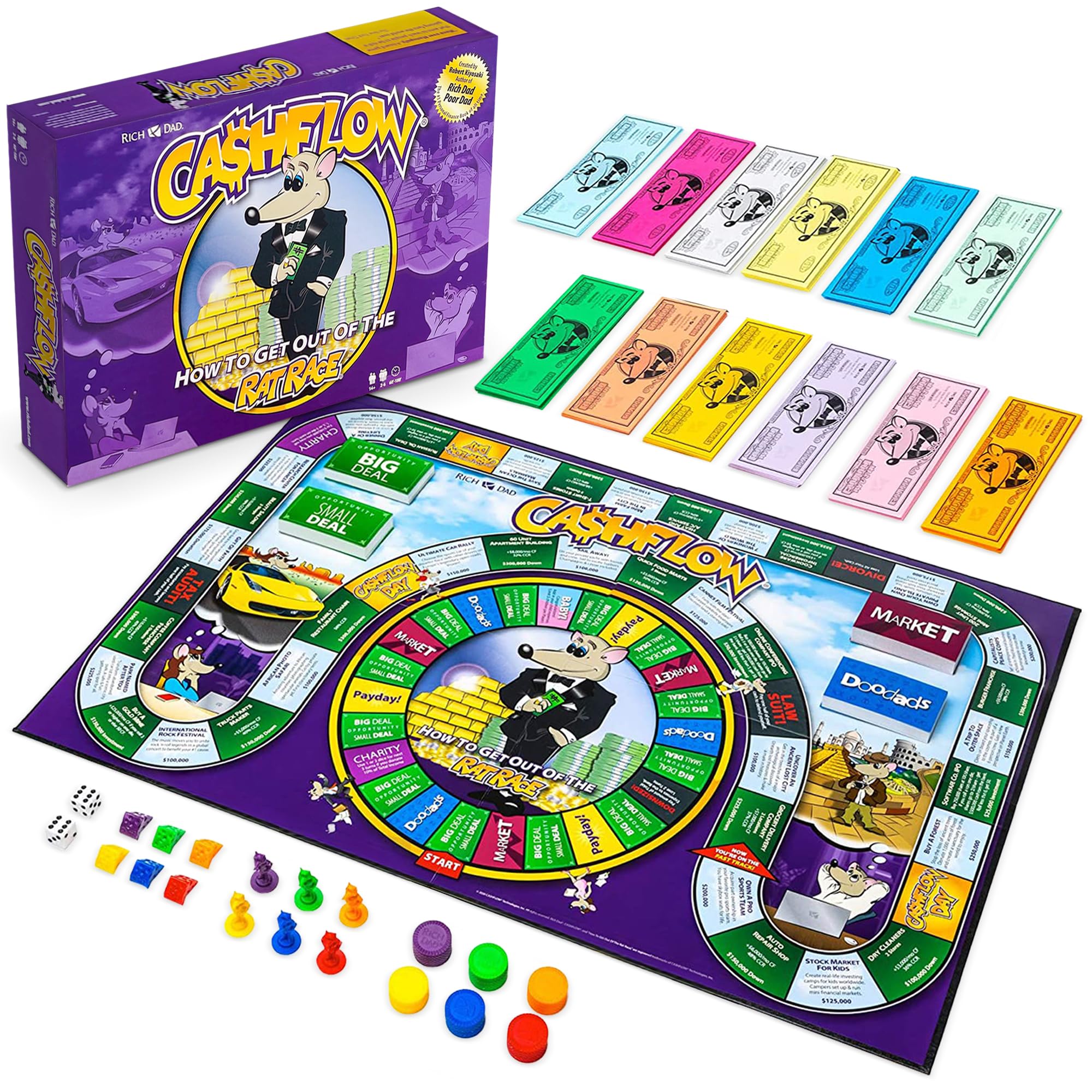
- Explores investing, saving, and business through a board game.
- Designed for collaborative family play and conversation.
- Recommended for players ages 14 and up.
Best Gift For: Families and older teens who enjoy learning about money together.

TOMLOV DM9B 7-Inch Digital Microscope
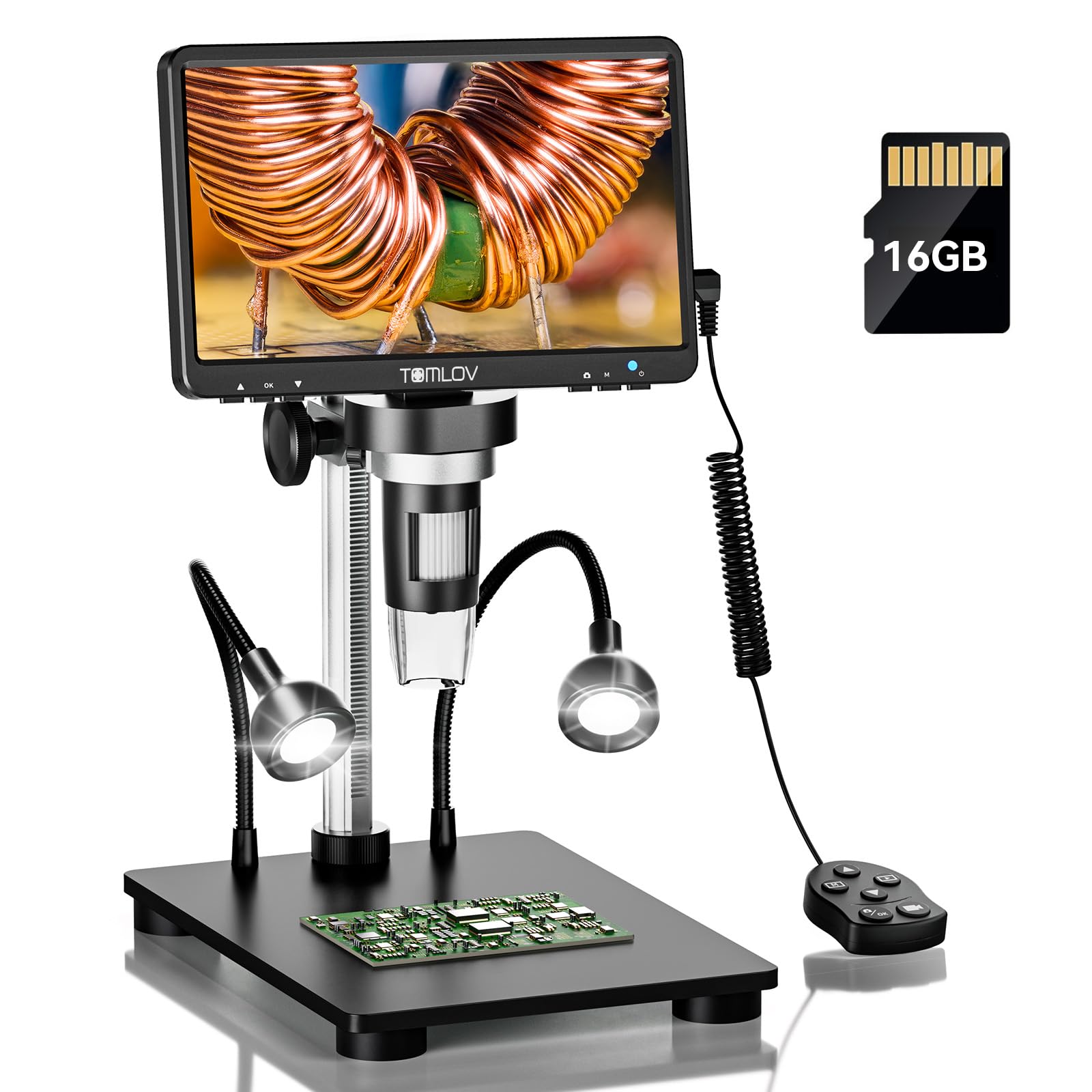
- The rotatable screen supports a more comfortable viewing angle.
- Includes a 16GB Micro SD card for saving photos and videos.
- Connects to compatible Windows or macOS computers for a larger view.
Best Gift For: Adult collectors, students, and curious families who like inspecting small objects.
Light-Up Crystal Growing Kit for Kids

- The activity follows crystal growth with an illustrated guide.
- A light-up display gives the finished crystals a place to shine.
- Includes three growing cups and three crystal powder bags.
Best Gift For: Children who enjoy hands-on science activities with an adult nearby.
Learning Resources 1-2-3 Build It Robot Factory

- Lets children assemble their own robot creations.
- Builds fine motor skills with easy-to-handle pieces.
- Works with other 1-2-3 Build It! sets.
Best Gift For: Young children ready to build imaginative robots and practice early engineering skills.
Learning Resources Minute Math Electronic Flash Card

- Practices addition, subtraction, multiplication, and division.
- One-minute challenges turn practice into a timed game.
- Three progressive levels cover learners from first grade through middle school.
Best Gift For: Learners who want short math practice sessions at home or on the go.
Glocusent Rechargeable Reading Light

- Offers three color temperatures and adjustable brightness.
- Flexible arms let the wearer adjust the light angle.
- Rechargeable battery provides up to 80 hours for general reading with one head.
Best Gift For: Book lovers who like reading in bed or need hands-free light for close work.
Clever Fox Dotted Journal 2.0 A5
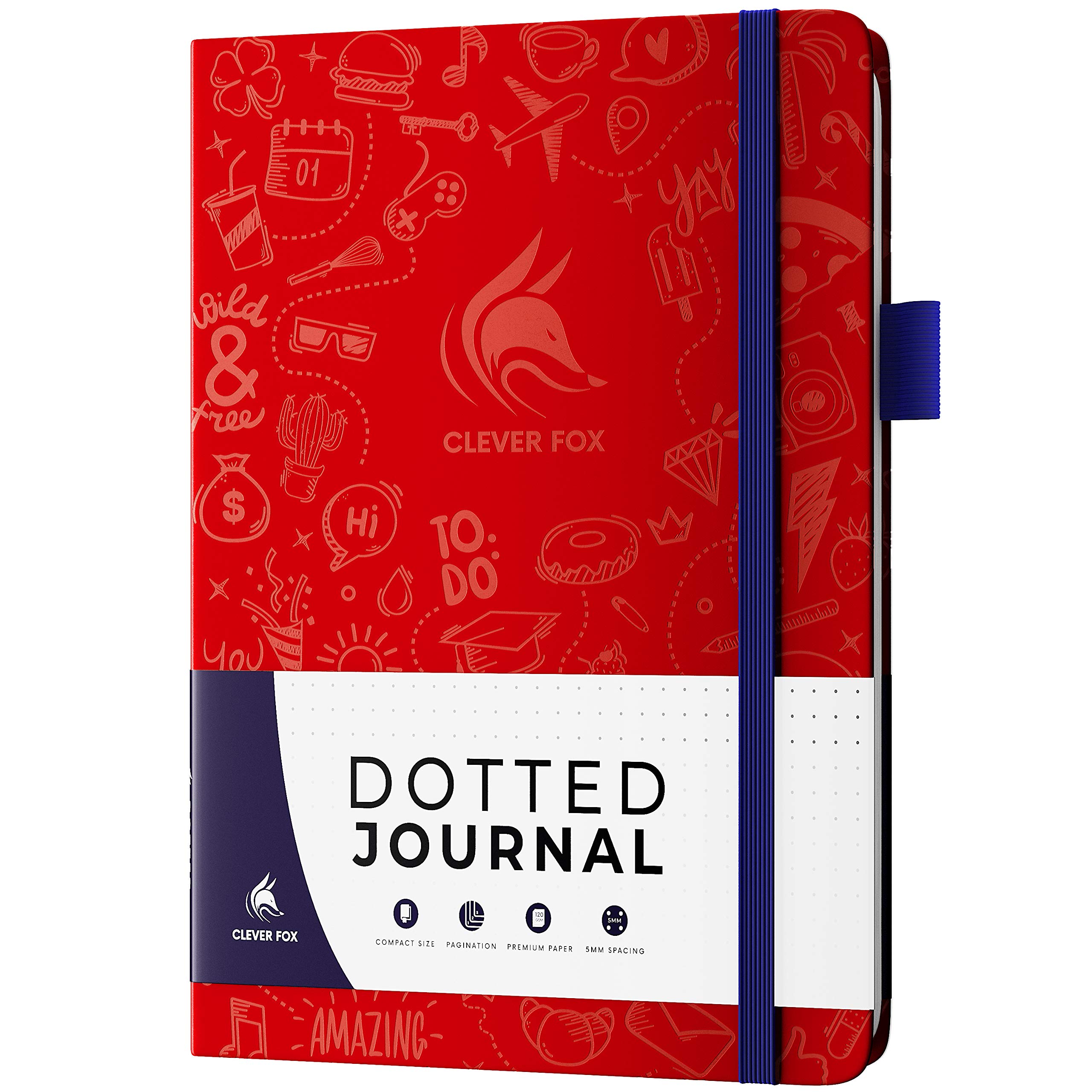
- Thick paper and lay-flat binding support comfortable writing.
- Includes a pen loop, ribbon bookmarks, a pocket, and stickers.
- Numbered dotted pages include a key and index page.
Best Gift For: Readers, planners, and sketchers who like keeping notes and ideas together.
Cross Classic Century 23KT Gold-Plated Ballpoint Pen

- Refillable for continued everyday writing.
- The slim metal body has a distinctive look.
- Arrives in a gift box suited to a birthday or graduation present.
Best Gift For: Graduates or lifelong learners who enjoy journaling and taking notes.
SKYDUE 360-Degree Rotating Desk Organizer
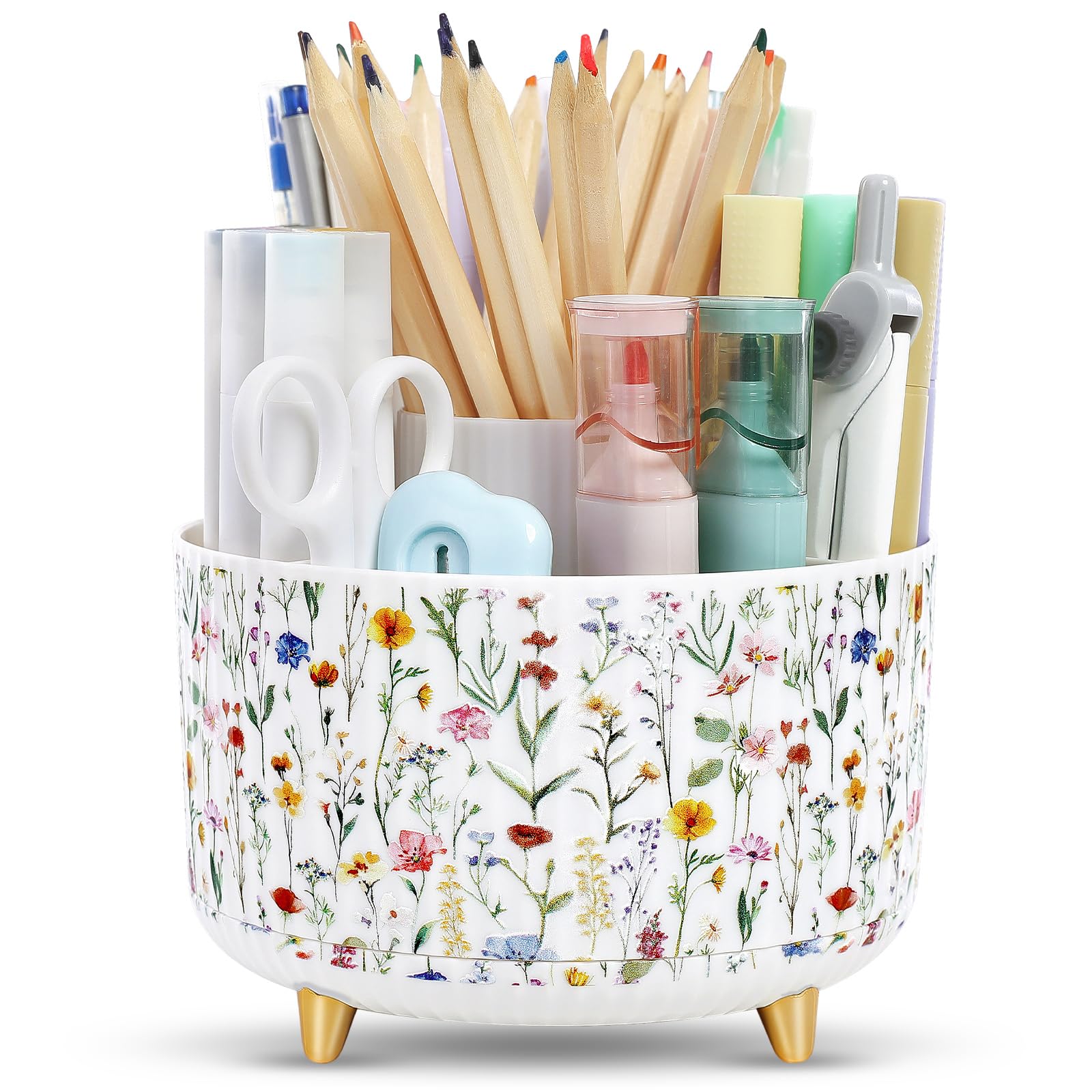
- Five compartments offer storage while using little desktop space.
- The holder rotates for easy access to writing tools.
- Can also hold art supplies and markers.
Best Gift For: Students and curious minds who want writing tools and small supplies within reach.
Phomemo D30 Label Maker with 3 Tapes
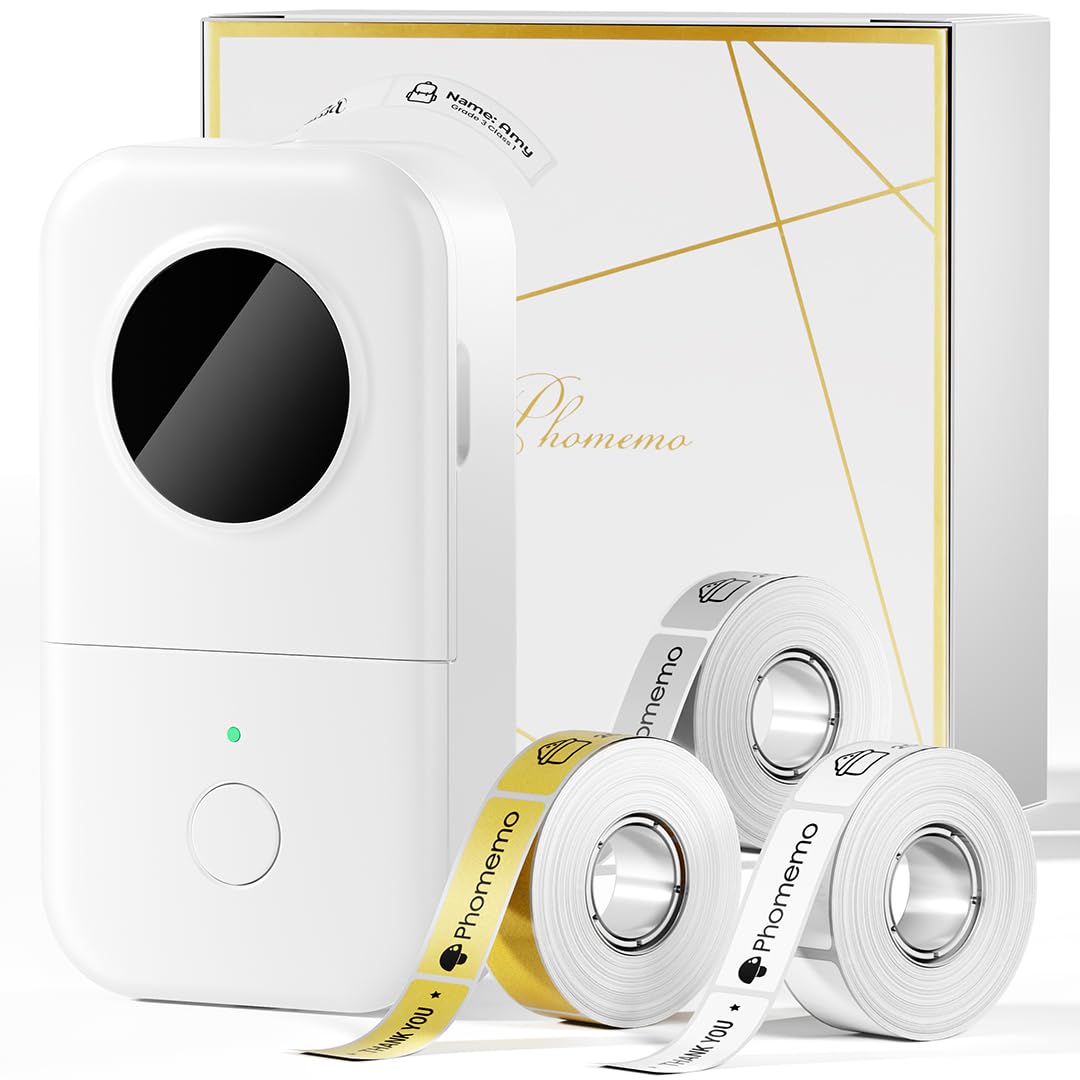
- Includes one white, one gold, and one clear tape.
- Prints black text with direct thermal printing, without ink, toner, or ribbons.
- Creates labels from a mobile device over Bluetooth.
Best Gift For: Learners who enjoy organizing study supplies, files, and personal items.
1. Match birthday gifts for people who love learning to how they explore
When choosing birthday gifts for people who love learning, start with what the recipient already does for fun. A child who likes mixing, building, and asking how things work may enjoy an activity they can try at home, while a family that enjoys conversation may prefer a shared game.
For an adult, look for a gift that supports an existing habit: reading before bed, collecting objects, taking notes, or keeping a study area orderly. The best fit should invite curiosity without demanding a new routine or requiring a major time commitment.
Age and experience matter as much as topic. Consider whether the recipient wants independent exploration, a project to do with a parent or friend, or a practical tool they will use regularly.
For children, check age guidance and think about whether adult participation will make the activity more enjoyable.
2. Balance budget with the kind of learning experience
A modest budget can still make room for meaningful learning. A notebook, desk accessory, or short practice tool can support something the recipient already enjoys, while a hands-on kit or larger device may create a more involved activity.
Match the scale of the gift to the occasion and your relationship.
For a bigger purchase, think about how often it will be used and whether it fits the person’s interests beyond the birthday itself. A device that opens up new ways to inspect objects may suit a committed hobbyist; someone just beginning may prefer a simpler activity that feels easy to start.
Set a comfortable spending limit, then check actual prices before ordering. Consider whether a gift needs compatible equipment or additional supplies, and include those costs in your decision.
A thoughtful smaller present can feel more personal than an elaborate one chosen without regard to the learner’s tastes.
3. Personalize birthday gifts for people who love learning
Personalization can turn birthday gifts for people who love learning into an invitation to follow a specific question. Pair a science activity with a note suggesting a first observation, or write inside a journal with a prompt about something the recipient hopes to understand this year.
For a shared activity, offer to join in and make time for it together. For a reader or note-taker, choose a subject they already care about and add a short handwritten message explaining why it made you think of them.
The gesture can be as simple as recognizing their curiosity.
Presentation can set a warm tone without adding clutter. Wrap a practical item with a bookmark, a short reading list, or a card naming one question you would enjoy discussing.
Keep add-ons small and relevant, so the main gift stays easy to use and does not become another obligation.
4. Choose a gift that fits their space and routine
Think about where the recipient will use the gift. A learner who studies at a shared kitchen table may appreciate compact supplies that can be put away easily, while someone with a dedicated desk may welcome an accessory that keeps materials organized.
For a hands-on project, consider whether there is a comfortable place to spread out.
Learning interests often overlap, but avoid assuming every curious person wants the same thing. Someone who loves reading may prefer quiet solo time; someone who enjoys making things might look forward to experimenting with a family member.
A small clue from their daily habits can guide you better than a broad label.
When unsure, ask someone close to the recipient about current interests, or choose a flexible gift that supports several ways of learning. Check product dimensions and compatibility where relevant, especially if it must fit a particular space or work with devices they already own.
5. Last-minute shopping for a curious learner
If the birthday is close, focus on gifts that are straightforward to understand and use. Before ordering, read the current product details, verify compatibility and dimensions where they matter, and check delivery estimates for the recipient’s location.
Timing can vary, so avoid promising a specific arrival date unless you can confirm it.
A digital gift message or handwritten card can make a present feel complete even when you have little time to prepare. Explain why you chose it and suggest a first use, such as setting up a reading corner or picking a topic to explore together.
Keep the note specific to the person rather than generic praise.
If an item might not arrive in time, you can still give the idea thoughtfully: print a picture, write a clue, or wrap a related small accessory. Make clear that it is a preview of the gift, and follow through with the order details once you have checked that the choice suits the learner.