Homeschool days often move between planning, lessons, projects, and keeping supplies in order. A useful gift can support one of those routines without adding another complicated task.
These nine ideas range from small desk helpers to learning activities and storage, with choices for different household needs and gifting occasions.
9 Gift Ideas for Homeschool Parents
Phomemo D30 Bluetooth Label Maker
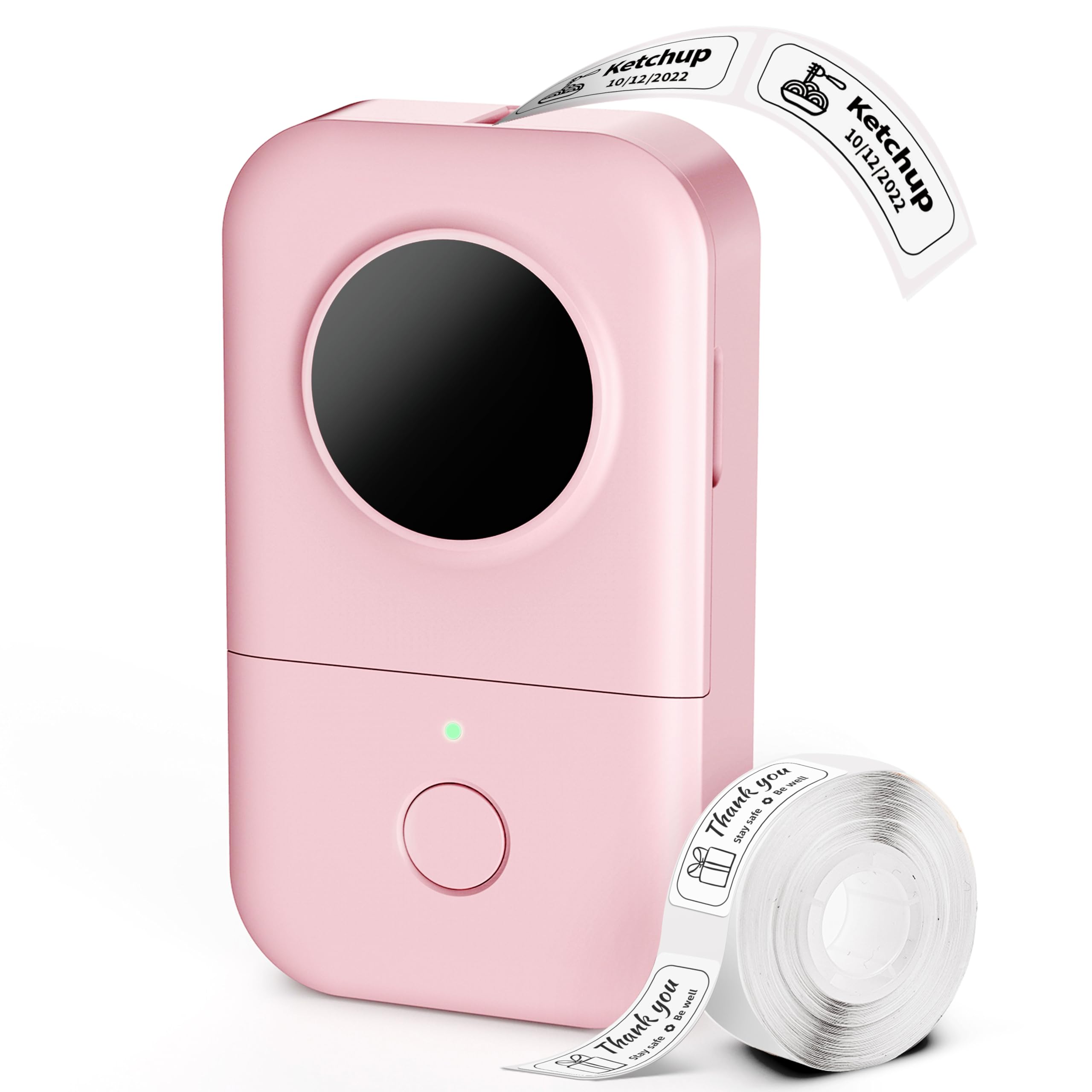
- Connects to mobile devices over Bluetooth for on-the-go label printing.
- Works with continuous and gap label tapes.
- Can make labels for bins, bookcases, and stationery drawers.
Best Gift For: A homeschool parent who wants to label classroom supplies, storage bins, or bookcases.

Clever Fox Planner PRO Light, Weekly & Monthly

- Includes monthly, weekly, and daily planning layouts.
- Undated pages let the owner begin at any time of year.
- Comes with a step-by-step illustrated user guide and planning stickers.
Best Gift For: A homeschool parent who wants one place to map goals and weekly plans.
Learning Resources 1-2-3 Build It Robot Factory

- Children can create their own imaginative robot builds.
- The activity is designed to build early engineering and critical thinking skills.
- The pieces are made for little hands to handle.
Best Gift For: A homeschool family looking for a hands-on building activity for a young learner.
Learning Resources Sum Swamp Addition & Subtraction Game
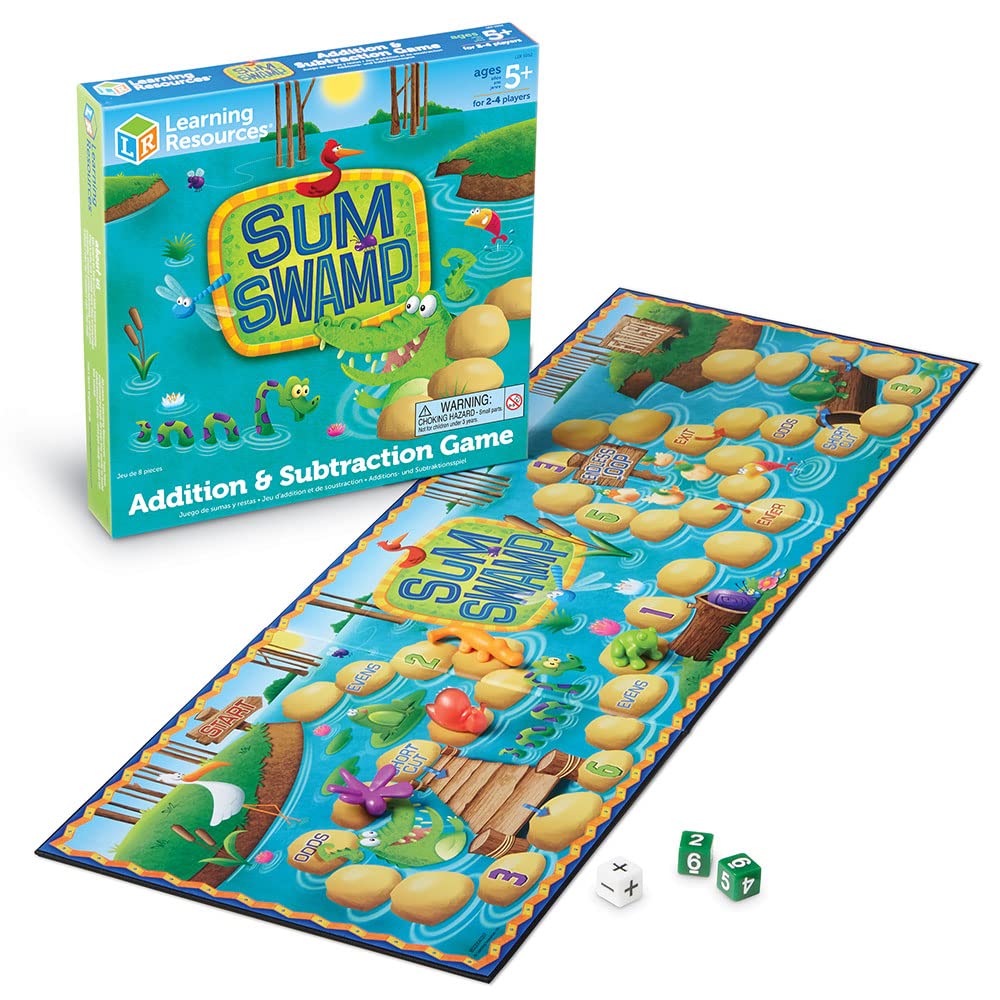
- Offers practice with addition, subtraction, and even and odd numbers.
- Game-based practice provides an alternative to math worksheets.
- Fast-paced sessions are intended to keep children engaged.
Best Gift For: A homeschool parent seeking a game-based way to practice early math with children.
Learning Resources Minute Math Electronic Flash Card

- Supports practice with addition, subtraction, multiplication, and division.
- One-minute challenges turn practice into a timed game.
- A silent mode suits quiet practice settings.
Best Gift For: A homeschool parent who wants a compact math practice option for quiet moments or travel.
Light-Up Crystal Growing Kit for Kids

- The kit grows red, blue, and clear crystals.
- Includes a light-up display for showing the finished crystals.
- Includes an illustrated learning guide about how crystals form.
Best Gift For: A homeschool parent planning a hands-on science activity and a display project with a child.
VASAGLE CUSTOS 5-Tier Bookcase
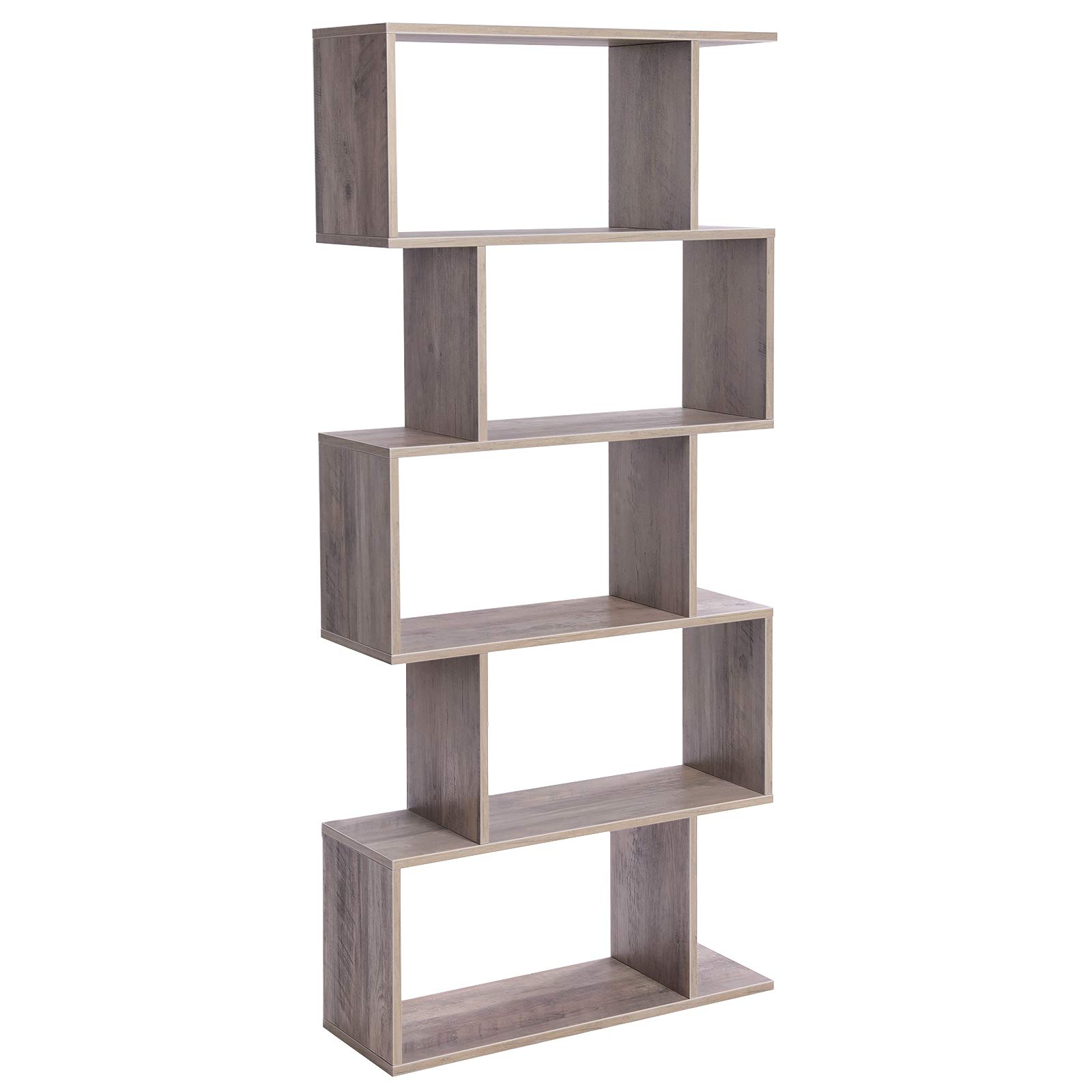
- Open storage provides space for books and other homeschool materials.
- Includes two anchoring devices.
- Labeled parts and clear instructions support assembly.
Best Gift For: A homeschool parent who needs open shelving for books and learning materials.
SKYDUE Rotating Desk Organizer
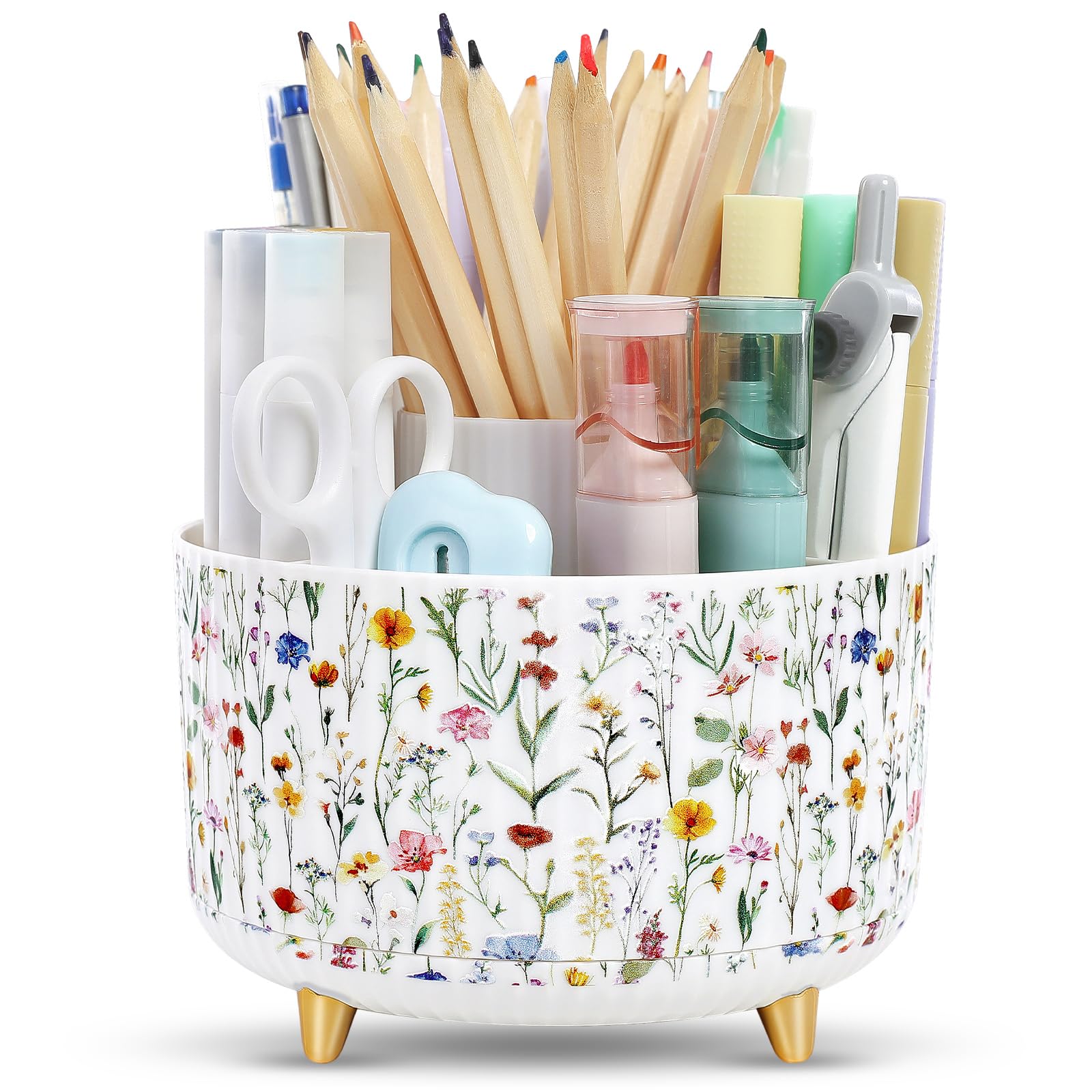
- The organizer has five compartments for desktop supplies.
- Its rotating design provides access to writing tools.
- Can also hold art supplies and markers.
Best Gift For: A homeschool parent who wants writing tools and small supplies easy to reach at a desk.
Whitelines Graph Notebooks, 3-Pack

- This set contains three spiral notebooks.
- The notebooks use graph paper with 70 sheets each.
- The app can remove the page background from captured notes or drawings.
Best Gift For: A homeschool parent who keeps handwritten lesson notes or drawings and wants several notebooks on hand.
Choosing gifts for homeschool parents under 100
Start with the part of the school day that most needs support. If lessons spill across a kitchen table, a planning tool or a compact organizer may help make the work surface easier to reset.
If materials are scattered through several rooms, a labeling tool or open shelving can support a more repeatable system.
Consider how the parent teaches and what the children are learning now. A family focused on early math may appreciate a game or short practice activity; a child who likes experiments may enjoy a project that unfolds over time.
The strongest gifts for homeschool parents under 100 fit an existing routine and leave the parent room to decide how to use them.
For shared learning, think about setup and cleanup as part of the gift. A game that can be brought out for a short session or a building activity with manageable pieces can fit around other lessons.
A science project may be more welcome when the family has a place to work and display the result.
Balance budget and everyday usefulness
A modest gift can be useful when it solves a small recurring problem, such as locating supplies or keeping notes together. Bigger household items deserve more thought: check the available room, the recipient’s storage needs, and whether the space can accommodate a new piece of furniture before choosing.
When weighing gifts for homeschool parents under 100, compare the role each item can play rather than chasing the most elaborate option. A planner, a desk accessory, and a learning activity meet different needs.
Set a comfortable budget, check actual prices, and consider whether the recipient would value a single focused gift or a small group of complementary items.
Think about what is already in the home. A family with a well-stocked supply area may get more use from an activity or notebook, while a parent who is constantly reorganizing may prefer a practical workspace aid.
If the gift is intended for a child, consider the child’s current interests and the parent’s preferred balance of guided and independent work.
Personalize the gift for their teaching style
A note can make a practical present feel chosen with care. Mention the routine you hope it supports, such as planning a new term, organizing a shared study corner, or making room for a family activity.
For gifts for homeschool parents under 100, this personal touch can connect a useful object to the recipient’s actual day.
Match the presentation to the item. Wrap a planner with a handwritten note, place a small organizer in a reusable gift bag, or pair a learning activity with a card addressed to both parent and child.
Keep any added supplies simple and compatible with the recipient’s plans; avoid assuming they need a particular curriculum or teaching approach.
You can also offer a practical choice without making the recipient feel obliged to use the gift immediately. A card could invite them to save it for a rainy afternoon, a new unit, or a quieter planning week.
If you are unsure about their setup, include a gift receipt where available and keep packaging easy to reopen.
Choose a gift that fits their space
Before buying a storage or desk item, measure the intended area and check the product dimensions. Think about whether the family has a dedicated learning room, a shared dining table, or a portable setup that moves through the house.
A compact gift may be more suitable when supplies need to be put away between lessons.
For activities and learning tools, check age suitability and consider whether the parent is comfortable with the time and supervision involved. The family may have specific preferences for materials, noise, or screen use.
A quick conversation with someone close to the household can help you choose a gift that supports their approach without imposing a new routine.
If you are choosing among several ideas, ask which part of the day feels most crowded: planning, keeping supplies in place, or making time for hands-on learning. That answer can guide a useful choice.
A thoughtful gift can be small; what matters is that it suits the household and the way they learn together.
Last-minute buying advice
For a late purchase, favor an item whose use is clear and whose fit you can verify quickly. Check current product details, dimensions, compatibility, and delivery estimates before ordering.
Availability and arrival timing can change, so leave enough flexibility if the gift is tied to a birthday, holiday, or school milestone.
When delivery timing is uncertain, a printed note describing the gift can still make the occasion feel considered. You might give the note with a favorite snack or a simple card, then let the recipient know when the package is expected without promising a specific arrival date.
For a household item, confirm space and placement before wrapping up the plan.
Keep the final choice connected to the recipient rather than the calendar. A useful planning aid may suit a parent preparing for a new term; a hands-on project may be better when the family has time to enjoy it.
If you are unsure, choose a flexible present and include a gift receipt where possible so the household can make the final call.