Homeschool days often move between lesson planning, hands-on activities, and keeping materials in order. A thoughtful gift can support one part of that routine or offer a fresh way to learn together.
These 11 gifts for homeschool parents include practical tools for the adult and engaging resources for young learners.
11 Thoughtful Gift Ideas for Homeschool Parents
Clever Fox Planner PRO Light, Undated Weekly Planner

- Undated pages let the recipient choose when to begin.
- Monthly, weekly, and daily agenda sections support layered planning.
- Planning stickers add a colorful way to mark tasks.
Best Gift For: A homeschool parent who likes setting goals and laying out lessons and daily tasks in one place.

Learning Resources 1-2-3 Build It Robot Factory

- Children can make their own robot creations.
- The activity supports early engineering and critical thinking.
- Easy-to-handle pieces are designed for little hands.
Best Gift For: A homeschool family with a young child ready for imaginative building and early STEM play.
Phomemo D30 Bluetooth Label Maker with 3 Tapes
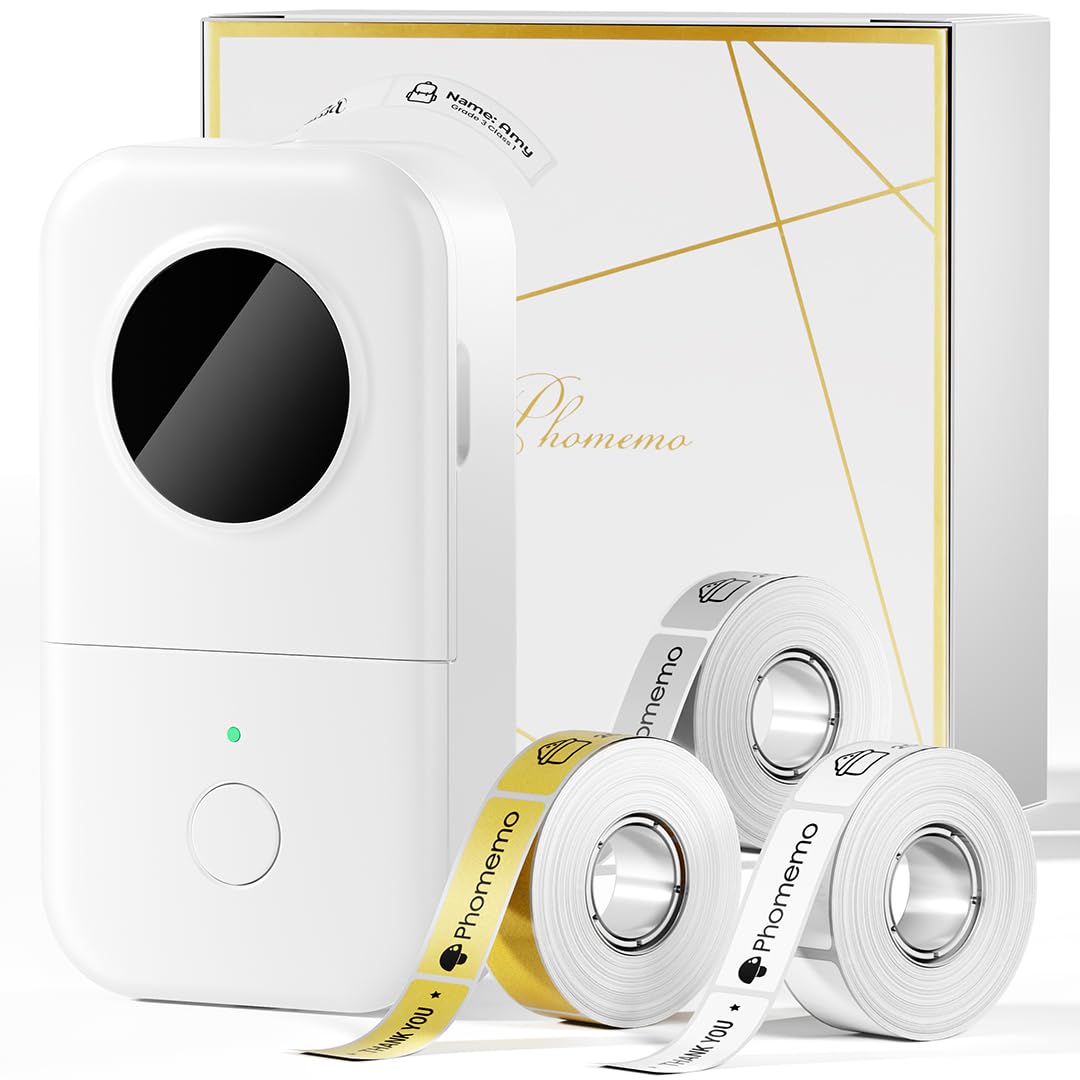
- The box includes three tapes in white, gold, and clear.
- The printer makes black text without ink, toner, or ribbons.
- Templates include symbols, frames, and a variety of fonts.
Best Gift For: A parent who wants to label school supplies, files, or shared household materials.
Glocusent Rechargeable Neck Reading Light

- Three color temperature modes and three brightness levels per head are adjustable.
- The flexible arms adjust to a comfortable angle.
- A narrow beam focuses light on the area being used.
Best Gift For: A parent who reads after lessons or wants hands-free light for close, quiet tasks.
TOMLOV DM9B Digital Microscope, 1200X, 16GB
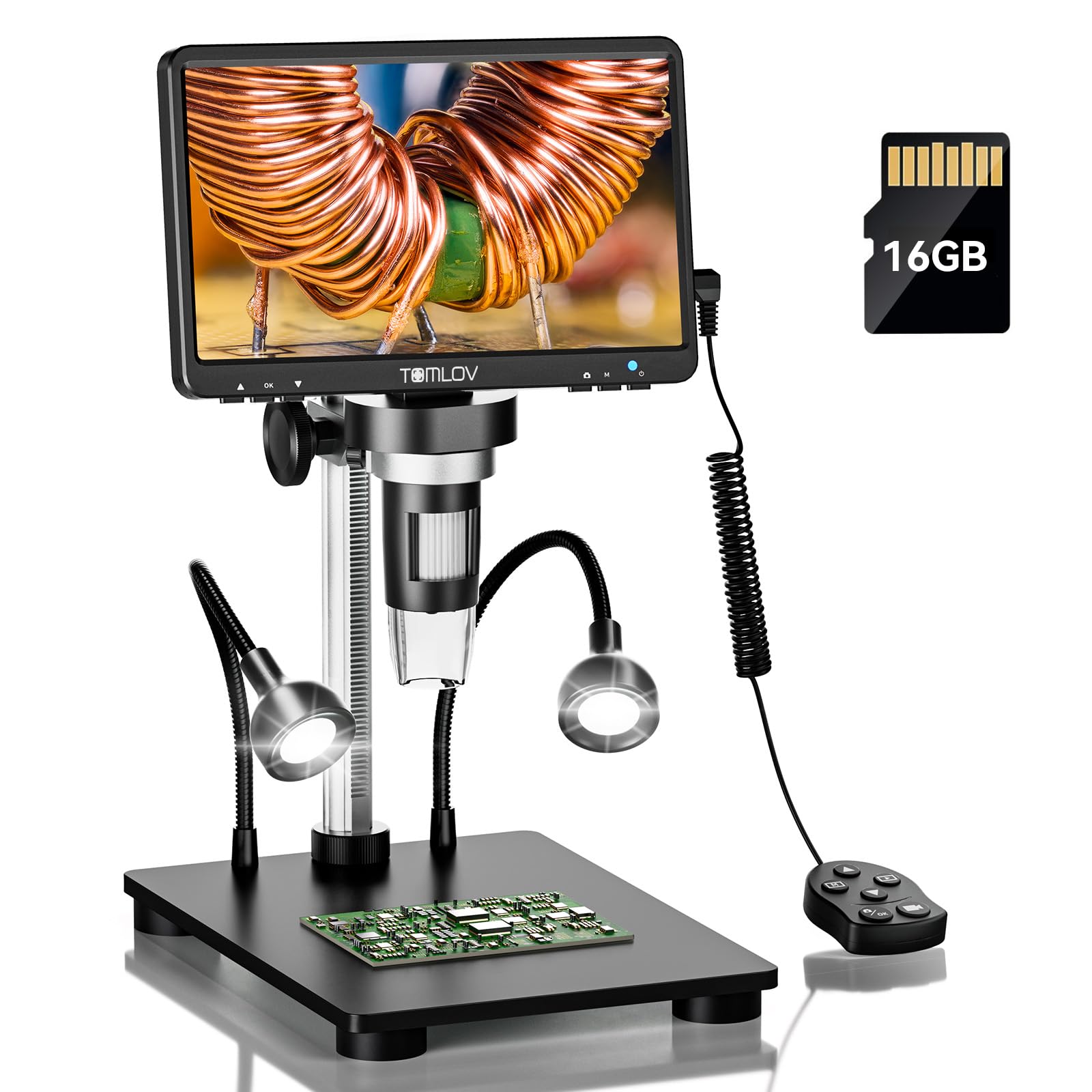
- The 7-inch screen rotates to support a comfortable viewing position.
- Magnification ranges from 5X to 1200X.
- A Micro SD card is included for storing photos and videos.
Best Gift For: A homeschool family interested in observing coins, stamps, rocks, or small details together.
Mr. Pen Clear Pencil Case Boxes, 24 Pack
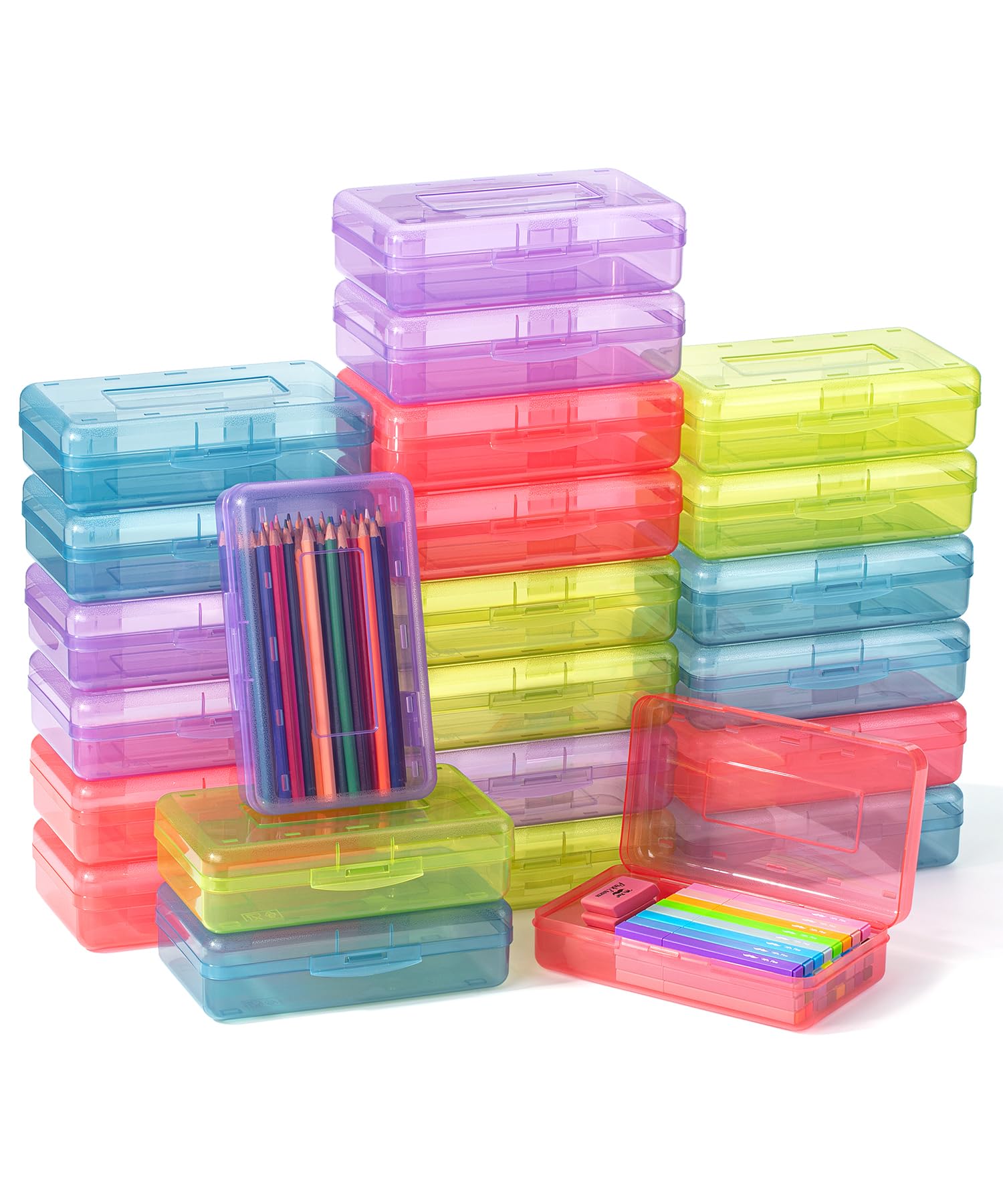
- The set contains 24 colorful and transparent boxes.
- Snap-tight latches help keep contents in place during transport.
- Stackable boxes help save space on desks and in drawers.
Best Gift For: A parent who wants to sort pencils, markers, or small learning materials for multiple activities.
Whitelines Graph Notebooks, 3-Pack

- The three-pack has 70 sheets per notebook.
- The light gray paper is intended to feel less tiring on the eyes than white paper.
- The app removes the paper background from writing or drawings.
Best Gift For: A homeschool parent who keeps handwritten lesson notes or sketches ideas to share digitally.
Light-up Crystal Growing Kit for Kids

- The kit lets children grow red, blue, and clear crystals.
- A light-up display gives the finished crystals a place to shine.
- A 12-page instruction and learning guide is included.
Best Gift For: A family looking for a guided crystal-growing activity to share with a young learner.
Cross Classic Century Gold-Plated Ballpoint Pen

- The pen has a slim profile and metal body.
- Its swivel-action mechanism is designed for everyday writing.
- It arrives in a premium gift box.
Best Gift For: A homeschool parent who enjoys journaling or wants a refined pen for everyday notes.
Learning Resources Minute Math Electronic Flash Card

- The device practices addition, subtraction, multiplication, and division.
- One-minute challenges turn practice into a timed game.
- Three progressive levels span learners from first grade through middle school.
Best Gift For: A homeschool family seeking a portable way to practice arithmetic facts and recall.
The Sneaky, Snacky Squirrel Preschool Game
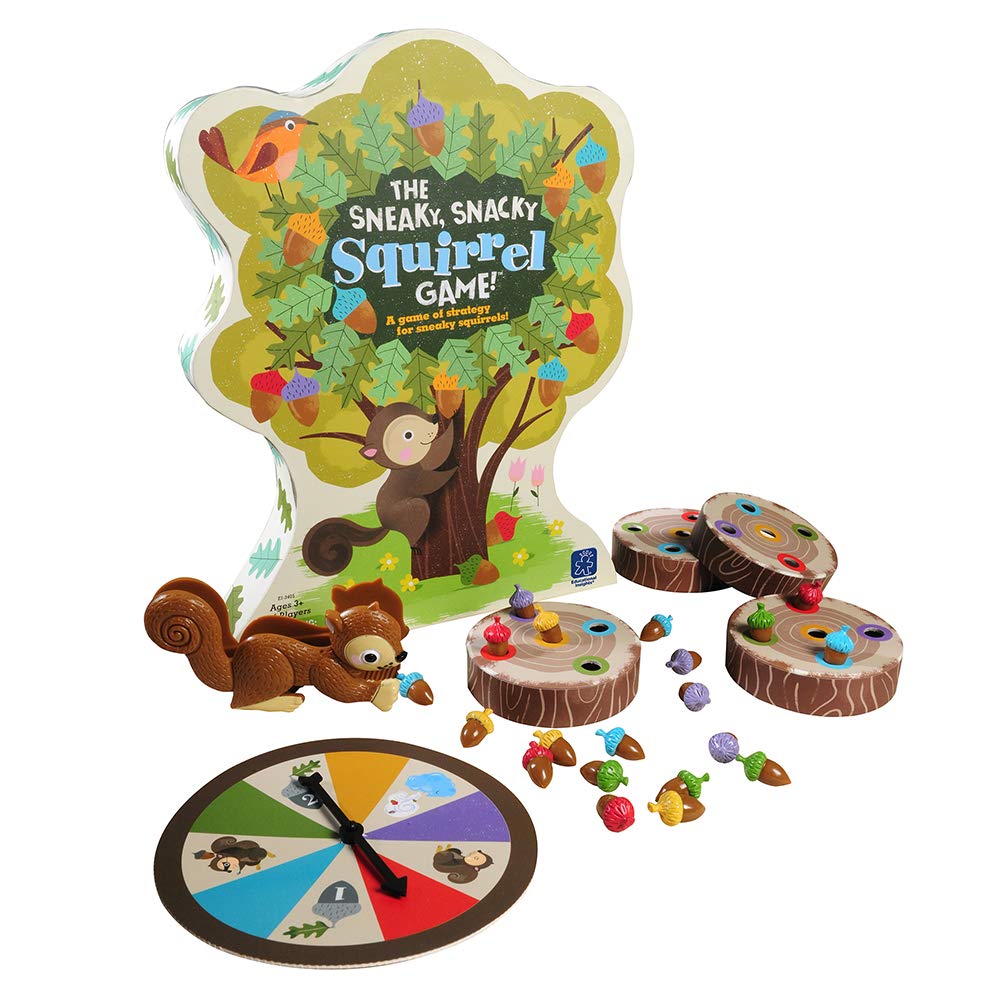
- The game reinforces color learning and matching skills.
- Players use a squirrel squeezer to pick up matching acorns.
- The play supports turn-taking and sharing.
Best Gift For: A homeschool family with preschoolers who enjoy color matching and turn-taking games.
Choose gifts for homeschool parents around the daily rhythm
When choosing gifts for homeschool parents, start with the recipient’s real routine. Someone who plans each week at a desk may welcome a place to map goals and lessons; a parent who spends more time moving between rooms may get more use from portable practice or activities that are easy to bring to the table.
Think about the learner, too. A preschooler may be drawn to colorful matching or simple building, while an older student might enjoy closer observation or a guided science activity.
Consider the age and interests of the child who will use the gift, and whether an adult will need to help set it up or join in.
If you are unsure, choose something that supports an existing habit. A notebook, reading light, or a way to organize small materials can fit into a familiar day without asking the family to adopt an entirely new routine.
Balance budget with usefulness
Set a comfortable budget before comparing options. A small tool that fills a recurring need can feel more thoughtful than a larger purchase that rarely gets used.
For activity kits, think about whether the family already has a good time and place to use them, and whether the child is likely to return to the activity.
For bigger purchases, ask whether the gift is ready to use as given and what else the household might need. A learning activity that calls for adult participation can be welcome when shared time is part of the appeal; practical supplies may be easier to use independently.
Check current prices and any included components before deciding.
For gifts for homeschool parents, usefulness often comes down to fit: the ages at home, available storage, and whether the recipient prefers hands-on resources or tools that streamline planning. If you can, ask a family member about a particular need without spoiling the surprise.
Personalize the gift and presentation
A practical gift feels more personal when you connect it to a detail you know. Pair planning supplies with a note about a fresh term, choose an activity that matches a child’s curiosity, or write a short message explaining why you thought of the parent.
Keep the note warm and specific without implying that their routine needs fixing.
Presentation can make an everyday tool feel celebratory. Wrap smaller items with a simple card, or place related supplies together in a reusable bag.
For a family activity, include a note inviting everyone to enjoy it together when the timing works for them; leave scheduling open so the recipient can fit it around lessons and other commitments.
When selecting gifts for homeschool parents, consider the household’s space and preferences. Compact supplies can suit a busy shared room, while a larger resource may be welcome if the family has a dedicated learning area.
If details matter, quietly check dimensions and compatibility first.
Make the choice work for your budget
If you are choosing among several kinds of gifts, decide whether your main aim is to save planning time, make supplies easier to find, or give a child a new learning experience. That simple priority helps compare unlike options without assuming that the most elaborate gift will be the most useful.
Consider whether a purchase is a standalone item or part of a larger setup. Check what comes in the package, and confirm compatibility with devices or materials the household already uses.
For items that take up space, verify dimensions and think about where they will be stored between uses.
A modest gift can also be part of a small bundle, such as a useful tool and a handwritten note. Keep the additions relevant and avoid adding clutter just to make a package look bigger.
The recipient’s preferences matter more than the bundle’s size.
Last-minute advice for gifts for homeschool parents
When time is short, choose a gift with a clear use and straightforward setup. Before ordering, check current product details, dimensions, device compatibility where relevant, and delivery estimates for the recipient’s location.
Those checks help avoid a mismatch without relying on assumptions about availability or timing.
If delivery timing is uncertain, consider presenting a handwritten card that explains the gift you chose, then share the order details privately. This gives you a graceful way to mark the occasion while being candid about timing.
For a digital or store-bought alternative, check the recipient’s preferences and the applicable terms first.
A final check can be simple: Is the gift suited to the learner’s age and interests? Does the parent have a place to keep or use it?
Does it fit the budget you set? A thoughtful answer to those questions is more valuable than rushing toward a particular category.