For a child who likes asking how things work, a good gift can turn curiosity into something to try with their hands. These ideas range from simple matching play to a crystal-growing project and a digital microscope.
The selection includes options for different ages and interests, including dinosaurs, robots, math practice, and close-up observation. Check each product’s age guidance and current details before choosing.
6 Gift Ideas for Curious Young Scientists
Light-up Crystal Growing Kit for Kids

- Grow red, blue, and clear crystals, then display them on the included light-up base.
- An illustrated guide explains how crystals form as the child follows the activity.
- The kit includes growing cups, crystal powders, starters, and a USB-powered display.
Best Gift For: A school-age child who enjoys hands-on experiments and displaying the results.

SmartMax My First Dinosaurs Magnetic Building Set
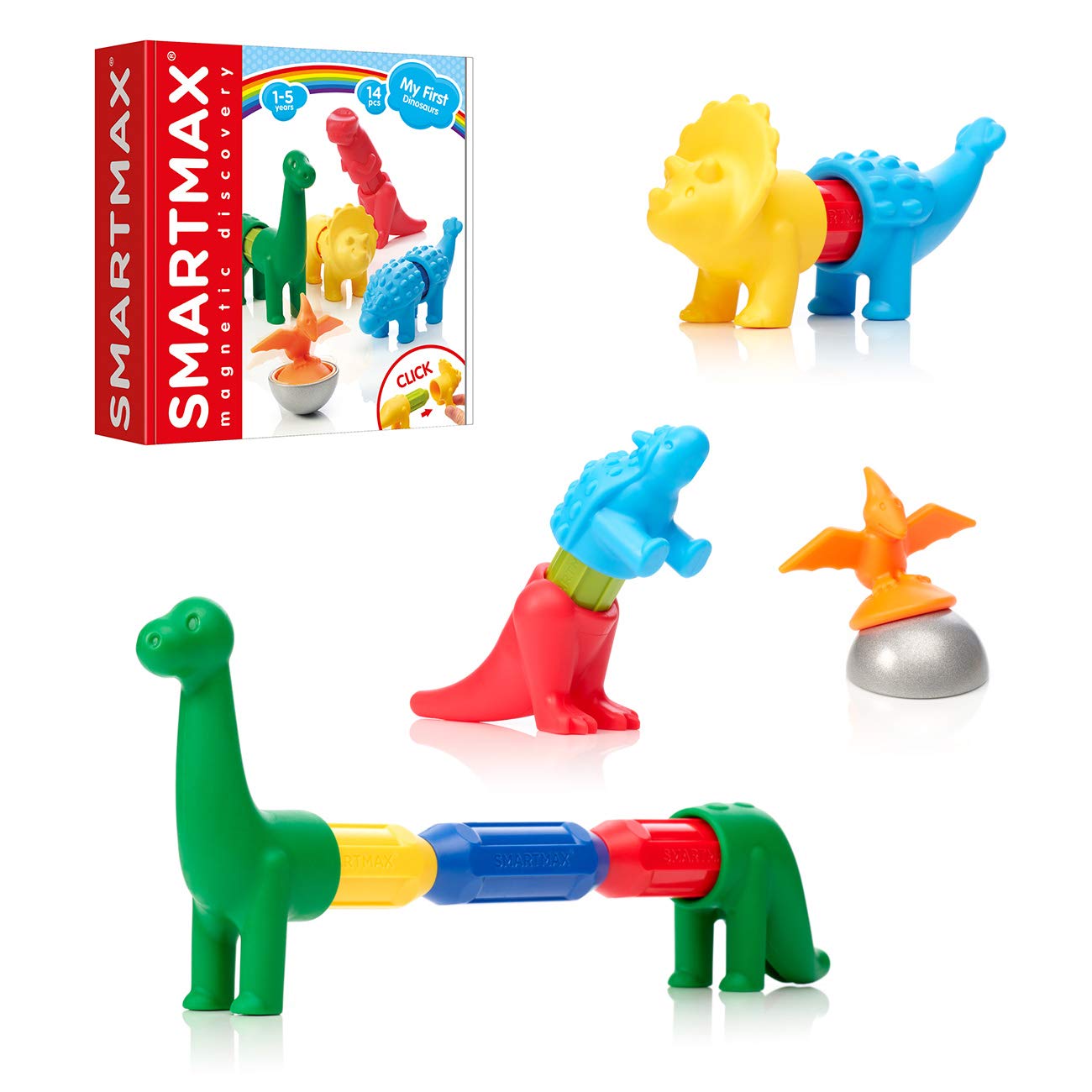
- Build dinosaur figures or mix and match pieces into imaginative creations.
- Clicking magnetic pieces together introduces early magnetism and problem-solving.
- The colorful set includes pieces designed for little hands.
Best Gift For: A young dinosaur fan ready to explore magnetic building and simple STEM play.
Learning Resources 1-2-3 Build It Robot Factory

- Children can craft their own imaginative robot creations.
- Building play supports early engineering and critical-thinking skills.
- The pieces work with other 1-2-3 Build It! sets.
Best Gift For: A toddler who enjoys assembling toy creations and practicing early building skills.
Learning Resources Snap-n-Learn Matching Dinos
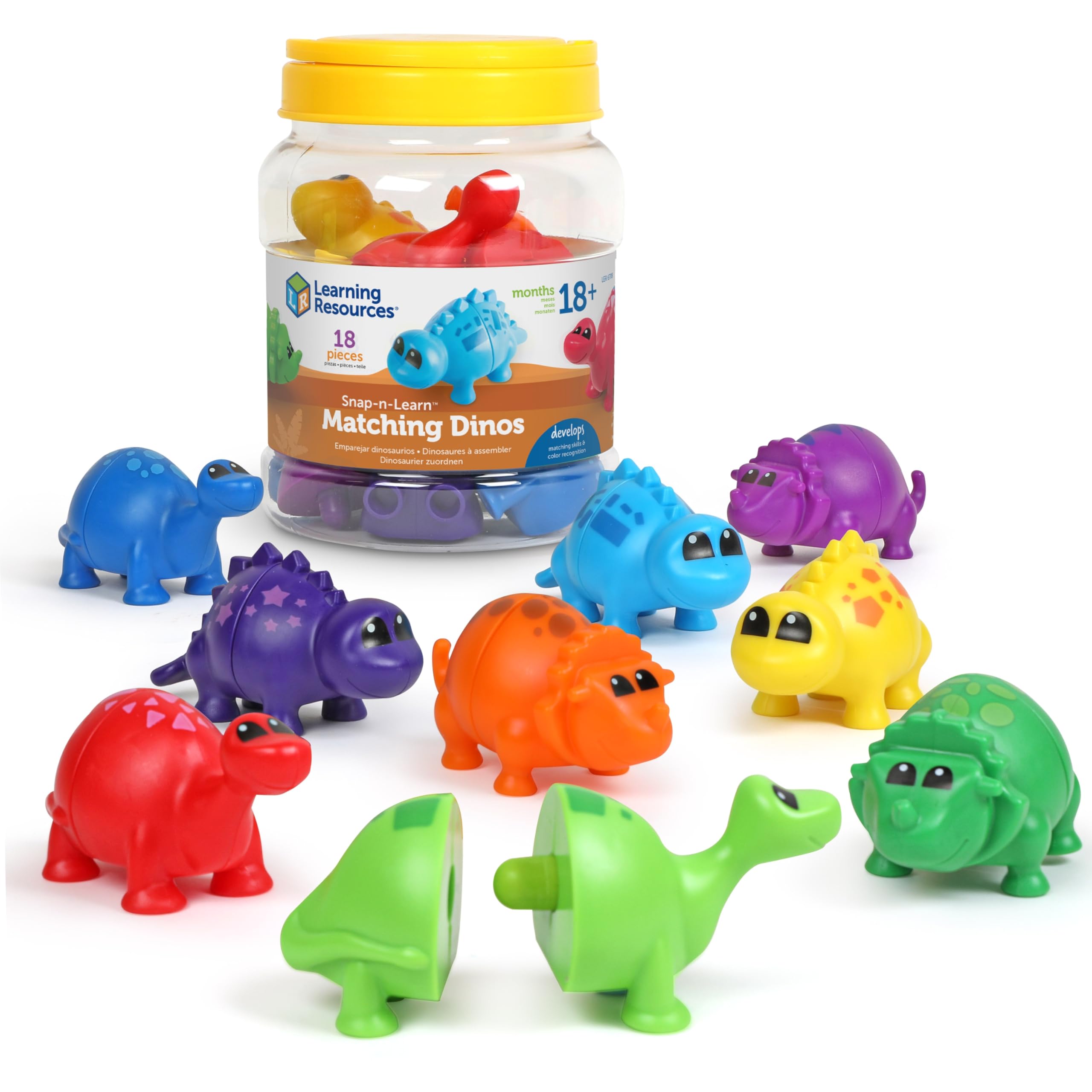
- Children can sort and match the two-piece dinosaurs by color, species, or shape.
- The set has colorful dinosaurs that snap together easily.
- Mixing and matching supports fine-motor practice for young children.
Best Gift For: A toddler who likes dinosaurs and simple color, shape, or species matching games.
Learning Resources Minute Math Electronic Flash Card

- Practice addition, subtraction, multiplication, and division.
- One-minute challenges turn practice into a timed game.
- The sound can be disabled for quieter practice.
Best Gift For: A child practicing arithmetic who could use a portable activity for a quiet wait or car ride.
TOMLOV DM9 7-Inch Digital Microscope
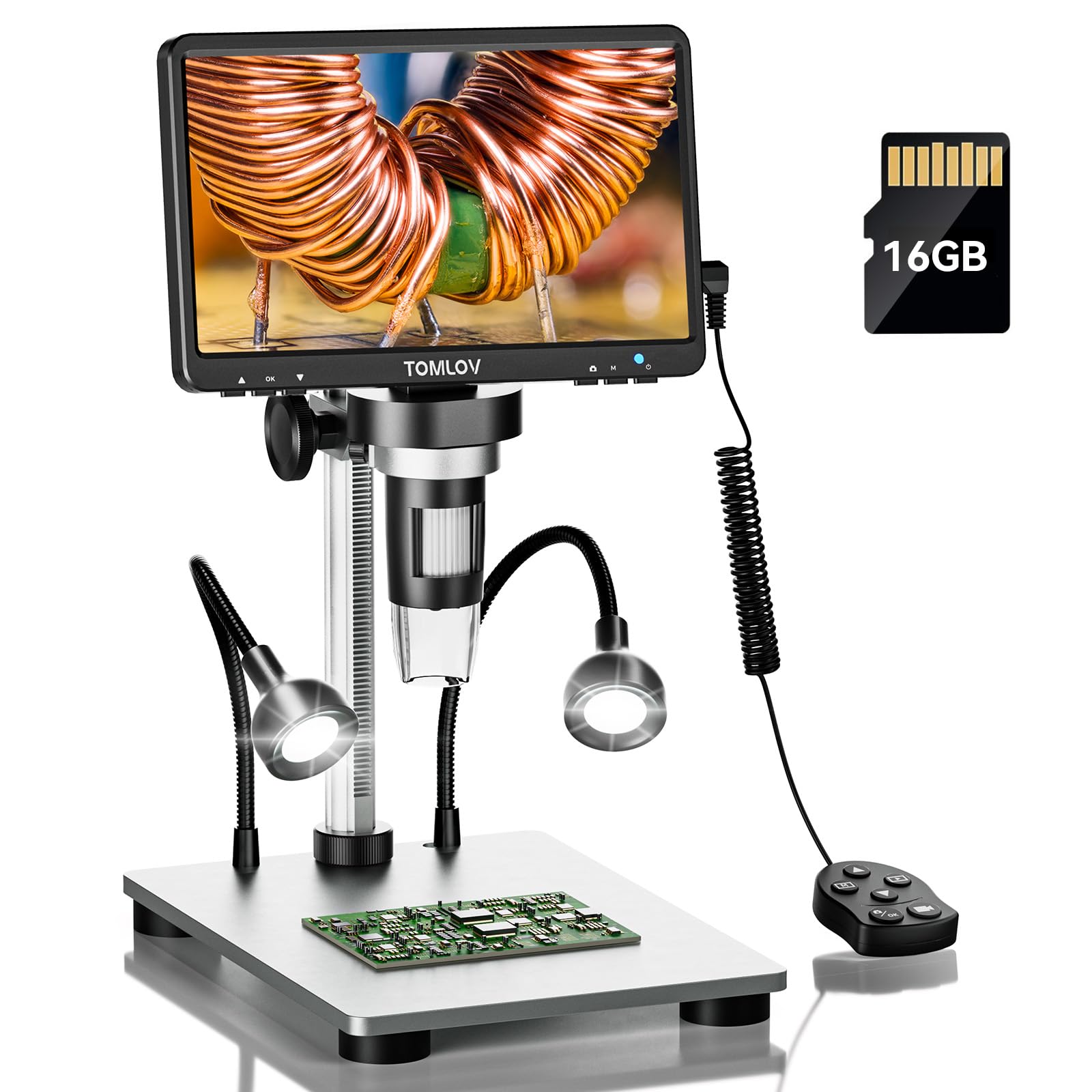
- The 7-inch rotatable FHD screen displays high-definition images and video captured by the 12MP camera.
- Magnification ranges from 5X to 1200X, with 8 LED fill lights and 2 gooseneck lights for viewing.
- A Micro SD card is included for storing photos and videos.
Best Gift For: An older child exploring coins, stamps, rocks, or other small details with an adult nearby.
1. Match gifts for kids who love science under 100 to the child’s curiosity
When choosing gifts for kids who love science under 100, start with what the child already enjoys doing. A dinosaur fan may be drawn to matching or building play, while a child who likes watching changes happen may prefer a project that develops over time.
The right fit is often the activity they will want to return to.
Consider age and how much adult help the activity may need. Young children may enjoy large, easy-to-handle pieces and short rounds of play.
Older children may be ready for a project with several steps or a tool for exploring details. Check the age guidance and instructions so the gift suits the child’s stage.
Think about where it will be used. A compact activity can help pass time during a wait, while a project that needs a clear workspace may be better for a home afternoon.
If the child shares toys with siblings, look for a way the activity can invite turns, teamwork, or a fresh challenge after the first try.
2. Balance the budget with the kind of play
A modest budget can still support an engaging science-minded gift. Smaller matching and building activities can make sense when you want an easy present for a birthday party, classroom exchange, or a child who is just beginning to explore a topic.
The appeal is in having something they can handle and try right away.
For a larger purchase, think about how often the child might use it and whether it suits more than one interest. An observation tool, for example, may appeal to a learner who is curious about several kinds of small objects.
Compare current prices and check what is included before deciding how much of the budget to reserve for the main gift.
Leave room for any practical extras the activity may call for. Check current product details, compatibility, and dimensions, and consider whether the child already has a suitable place to set up or store the gift.
A thoughtful fit matters more than choosing the most elaborate option in the group.
3. Make gifts for kids who love science under 100 feel personal
For gifts for kids who love science under 100, a small personal touch can connect the present to the child’s own interests. Pair a dinosaur-themed activity with a note inviting them to invent a new creature, or encourage a curious observer to choose a household object for a closer look.
Keep the idea simple and suited to the child.
Presentation can set up the first activity without turning the gift into a project for the giver. Add a blank notebook for sketches or questions, or wrap a small kit with a card suggesting a first experiment.
If the child is younger, offer to sit nearby and help read the instructions or sort the pieces.
For a group gift, invite siblings or friends to participate in a way that gives everyone a role. One child can assemble, another can sort, and someone else can record what they notice.
That shared approach can make a science-themed present feel welcoming even when the children have different ages or interests.
4. Choose a present that fits the occasion
For a small thank-you or classroom exchange, a compact activity can be easier to wrap and hand over than a large project. For a birthday or holiday, you may have more room to choose a gift that supports a longer stretch of exploration.
Think about whether the recipient likes quiet concentration, imaginative building, or a little challenge.
If you are shopping for a child you do not know well, ask a caregiver about age, current interests, and any household preferences. That quick check can help avoid a mismatch in complexity, storage, or setup.
It also helps you choose something the family can comfortably use at home.
When siblings may share the gift, look for activities that allow turns or different ways to play. A child who likes to lead can make up the challenge, while another can sort pieces or observe.
A gift that leaves room for conversation can work well across different personalities.
5. Plan ahead and make a last-minute choice carefully
If you have time, compare a few options and confirm the current product details before ordering. Check dimensions, age guidance, compatibility, and what comes in the package.
For any activity that uses a device or connection, verify that it will work with what the household already has.
For a last-minute purchase, focus on a clear match and check delivery estimates at checkout. Availability and arrival timing can change, so do not assume a gift will arrive by a particular date.
If timing is uncertain, a printed note describing the planned gift can make a useful placeholder while you confirm the order.
Keep a simple backup in mind, such as a book or an activity you can buy locally, if the first choice will not arrive in time. The note can still make the gift personal: mention why you chose it and what you hope the child will enjoy exploring.
That care often matters as much as the package itself.