Kids who love science often enjoy gifts that turn curiosity into something they can build, observe, or try for themselves.
These six ideas pair hands-on exploration with early learning, with options for different ages and interests.
6 Gift Ideas for Curious Kids Who Love Science
Light-up Crystal Growing Kit

- Grow red, blue, and clear crystals, then display them on the light-up stand.
- The kit includes an illustrated booklet about how crystals form.
- The USB-powered LED display comes with a Micro-USB cable.
Best Gift For: A young science fan who would enjoy growing and displaying crystals.

GeoSafari My First Microscope
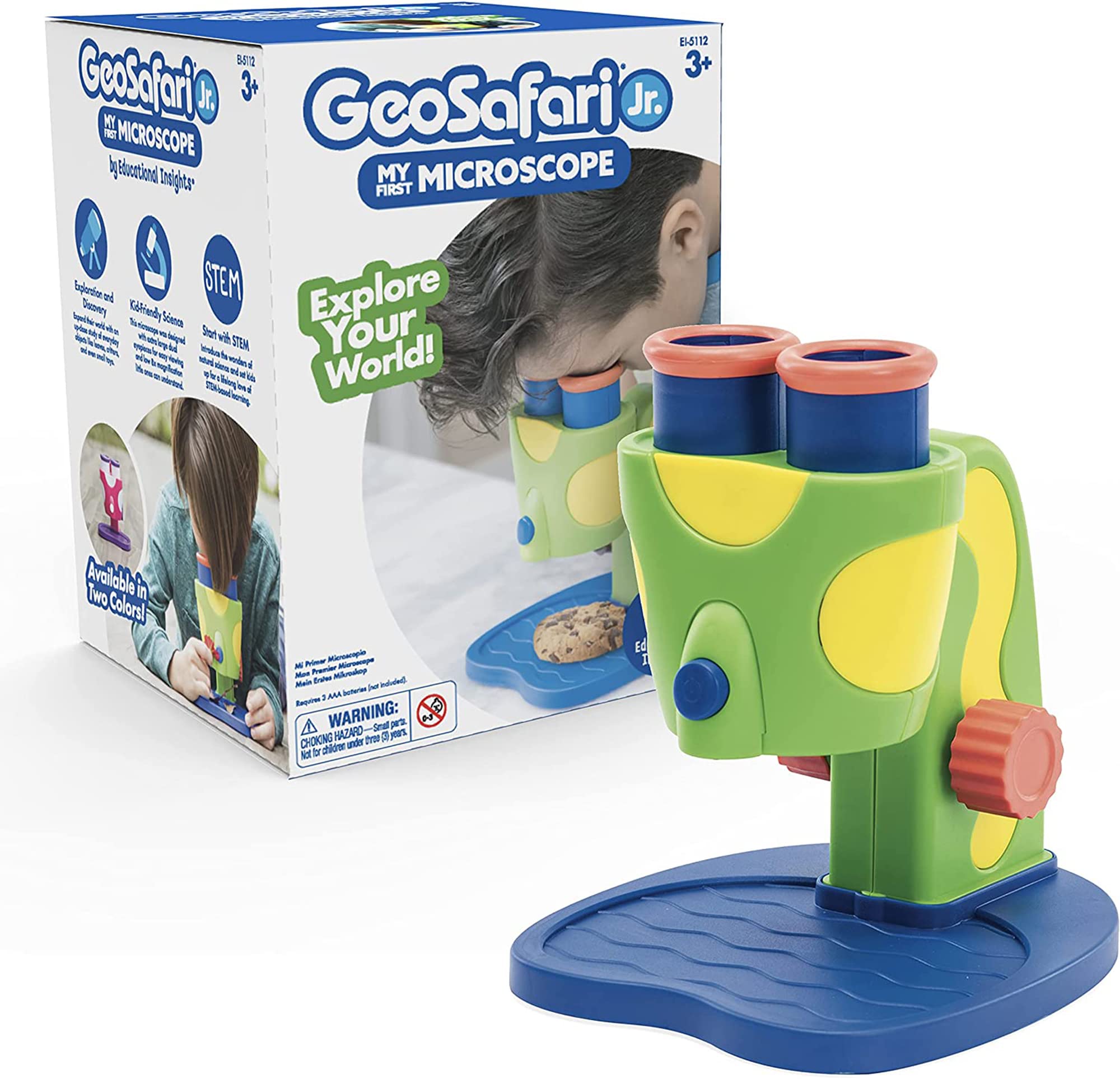
- Large eyepieces let children look without closing one eye.
- An overhead LED provides illumination, and the focusing knob is sized for kids.
- Includes prepared slides; three AAA batteries are required and not included.
Best Gift For: A young explorer ready to look closely at prepared samples.
SmartMax My First Dinosaurs Magnetic Building Set
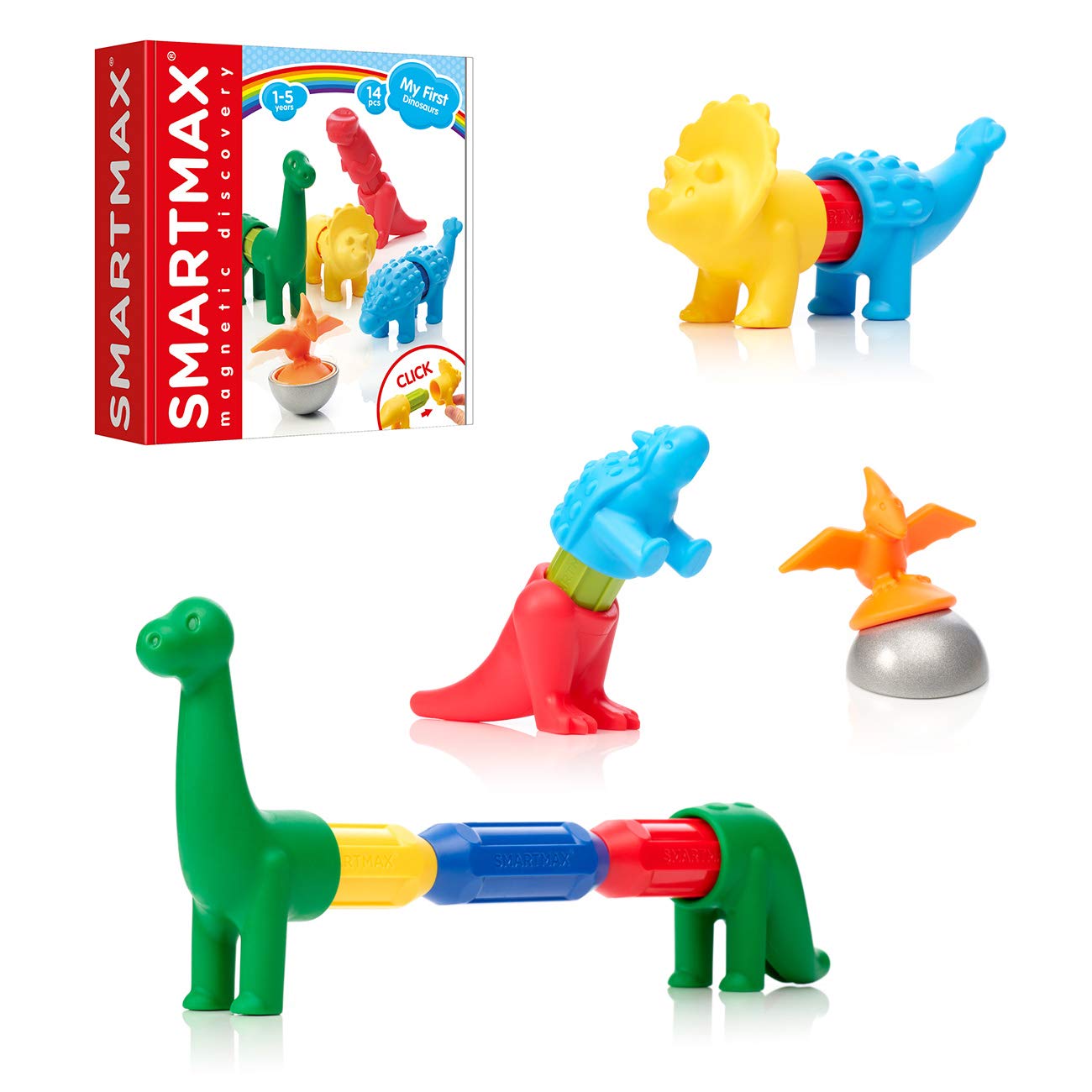
- Build dinosaur figures or mix and match pieces into new creations.
- Large magnetic bars and soft dinosaur pieces are made for little hands.
- Pieces can combine with other SmartMax sets.
Best Gift For: A little dinosaur enthusiast curious about building and magnets.
Learning Resources 1-2-3 Build It Robot Factory

- Children can build their own imaginative robot creations.
- Building play supports early engineering and critical thinking skills.
- The pieces work with other sets in the same series.
Best Gift For: A toddler who likes making things and imaginative robot play.
Learning Resources Super Sorting Pie
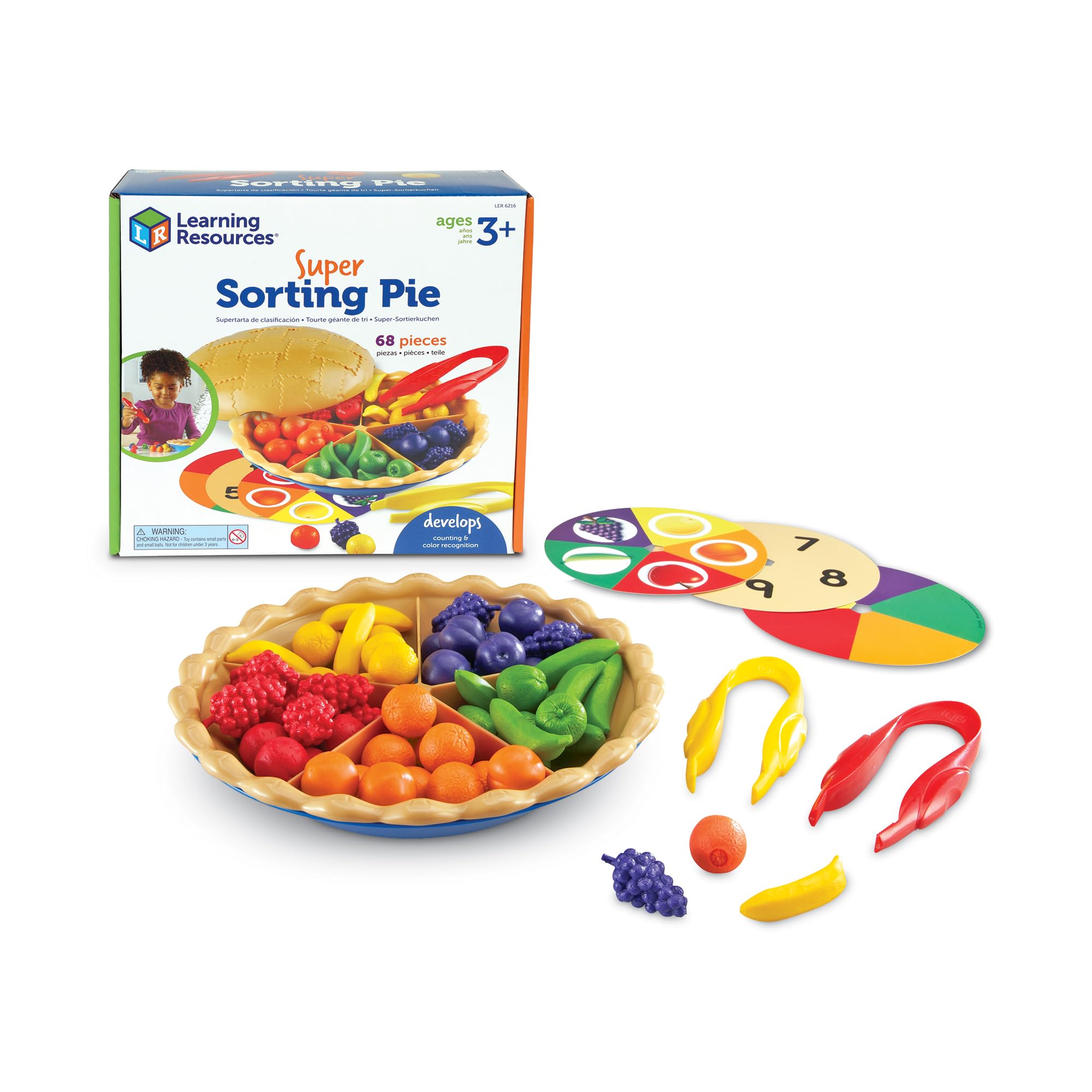
- The set includes fruit counters, sorting cards, and a divided pie plate.
- Jumbo tweezers give little hands practice with grasp and coordination.
- All pieces fit inside the pie for easier cleanup.
Best Gift For: A preschooler who enjoys sorting objects and practicing early math.
Learning Resources Minute Math Electronic Flash Card

- Practice addition, subtraction, multiplication, and division.
- One-minute challenges turn practice into a timed game.
- A silent mode supports quiet practice in shared spaces.
Best Gift For: A student who likes short, self-paced math practice at home or on the go.
Choosing gifts for kids who love science under 50
When choosing gifts for kids who love science under 50, start with the child’s age and the kind of play they already return to. A child who likes watching changes unfold may enjoy a growing project, while a curious observer may be more drawn to looking closely at prepared samples.
For younger children, simple building, sorting, and matching can make scientific ideas feel approachable through play. Consider whether the recipient prefers open-ended construction, clear activities with pieces to organize, or short practice sessions they can start and stop easily.
Think about where the gift will be used. A tabletop activity suits a quiet afternoon at home, while a portable learning tool may help fill a wait or car ride.
Check the current product details for age guidance and any setup needs before deciding.
Balance budget and practical needs
A modest budget can still cover a range of learning styles. Compare what comes with each gift and whether it appears ready for the recipient’s first activity; batteries or other supplies may need to be purchased separately, so check the current details before wrapping.
Consider the ongoing value of play in terms of how the child might use it. Building pieces invite repeated combinations, while a focused activity can be satisfying for a child who likes a clear task.
Neither style needs to suit every young learner.
If you are buying for a household with siblings, shared play may matter as much as individual interest. Look for opportunities to take turns, build together, or explore side by side, and keep the budget qualitative until you check actual prices.
Personalize the gift for their curiosity
To make gifts for kids who love science under 50 feel personal, connect the choice to a recent question or interest: dinosaurs, tiny details, colorful crystals, robots, or number puzzles. A short note can invite the child to investigate something they have been wondering about.
Presentation can make a learning gift feel like an occasion. Wrap it with a small notebook for sketches or observations, or add a handwritten prompt such as “What do you notice?” Keep additions simple and age-appropriate, and check any activity instructions before pairing supplies.
If the child will share the gift, include a gentle invitation to take turns or make a creation together. Adults can help younger recipients read directions and organize materials, while older children may appreciate room to explore independently.
Match the activity to the moment
A gift can fit a birthday, holiday, classroom celebration, or a small reward for a child’s curiosity. For a group occasion, choose something that suits the recipient’s age and can be enjoyed in the space available; a compact activity may work better than one needing a dedicated setup area.
For a family gift, consider whether an adult can join in or help with preparation. A shared project can create an easy starting point for questions and conversation, while an independent activity may suit a child who likes figuring things out at their own pace.
If you are choosing among several interests, ask a caregiver what the child is exploring lately. That quick context can help you pick something they are likely to open and use, rather than relying only on a broad interest in science.
Last-minute buying advice for gifts for kids who love science under 50
Before ordering, check the current product page for age suitability, included components, battery needs, and compatibility with any sets the child already owns. Confirm dimensions if storage or a small play area matters, and review the instructions if adult setup may be needed.
For a time-sensitive occasion, check the delivery estimate for your address and leave room for delays. If arrival timing is uncertain, a printed note describing the planned gift can make a useful placeholder, with the activity to follow when it arrives.
Finish with practical wrapping and a clear label if the gift has small parts or requires adult help. A brief note to the caregiver about checking setup details can make opening smoother, while keeping the excitement and discovery for the child.