Learning can happen over a shared game, a hands-on project, or a few quiet minutes with a book. These gifts suit curious people of different ages and interests.
From practical study tools to playful STEM activities, these 14 ideas offer several ways to make room for discovery.
14 Gift Ideas for Curious Learners
Glocusent Rechargeable Neck Reading Light

- Choose from three color temperatures and three brightness levels for a reading setup that suits the moment.
- The adjustable arms let the wearer position the light comfortably around the neck.
- Rechargeable lighting offers up to 80 hours for general reading with a single head.
Best Gift For: A reader who likes to read in bed or keep both hands free while reading.

SHOKZ OpenMove Open-Ear Sport Headphones
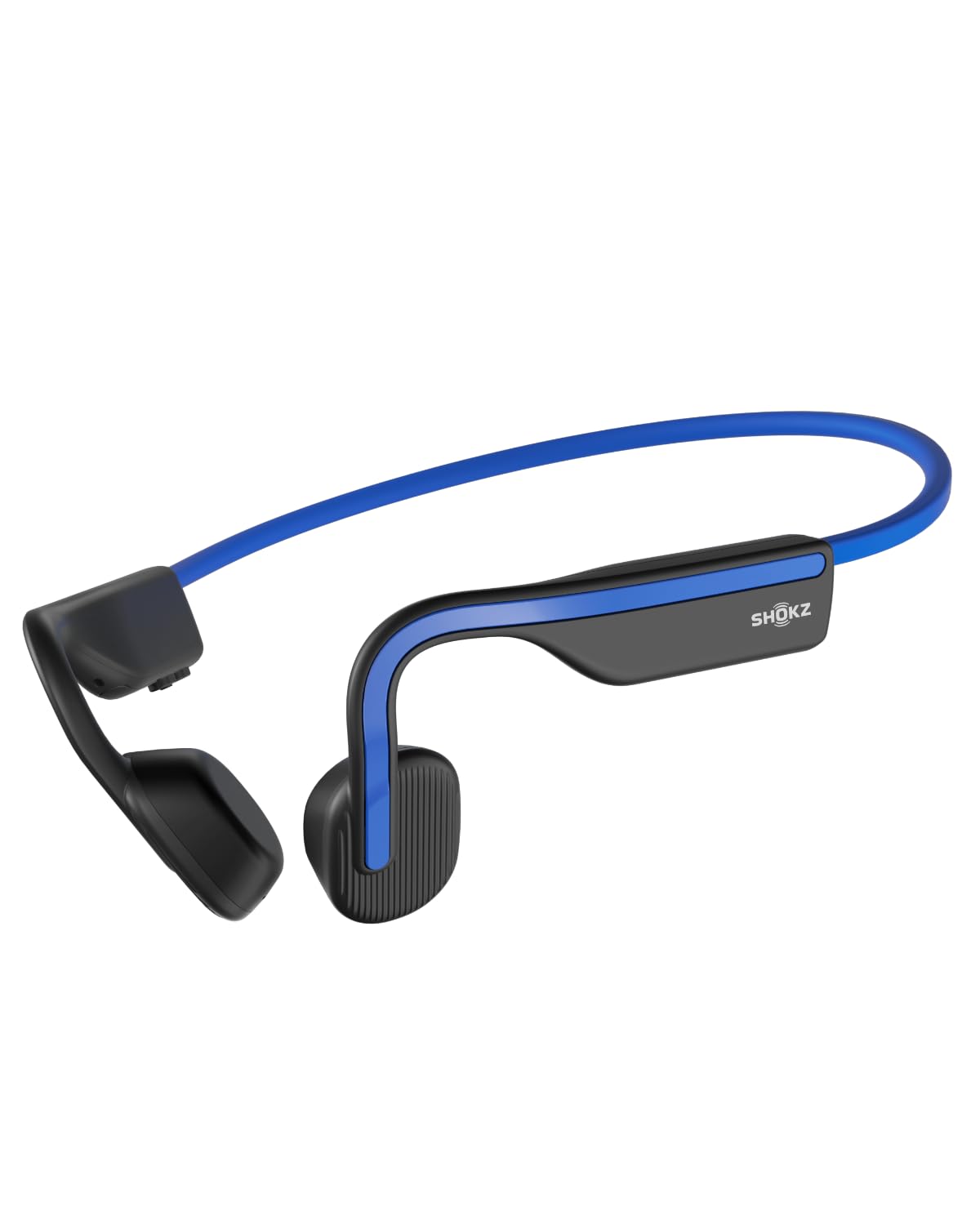
- The open-ear design leaves ears free of earbuds for listening.
- A wraparound frame is designed to stay in place during low-impact activities.
- It pairs with Android, iOS, Windows, and other Bluetooth-enabled devices.
Best Gift For: A podcast or audiobook listener who wants audio during commutes or low-impact activity.
Cross Edge Sonic Titanium Gel Ink Pen
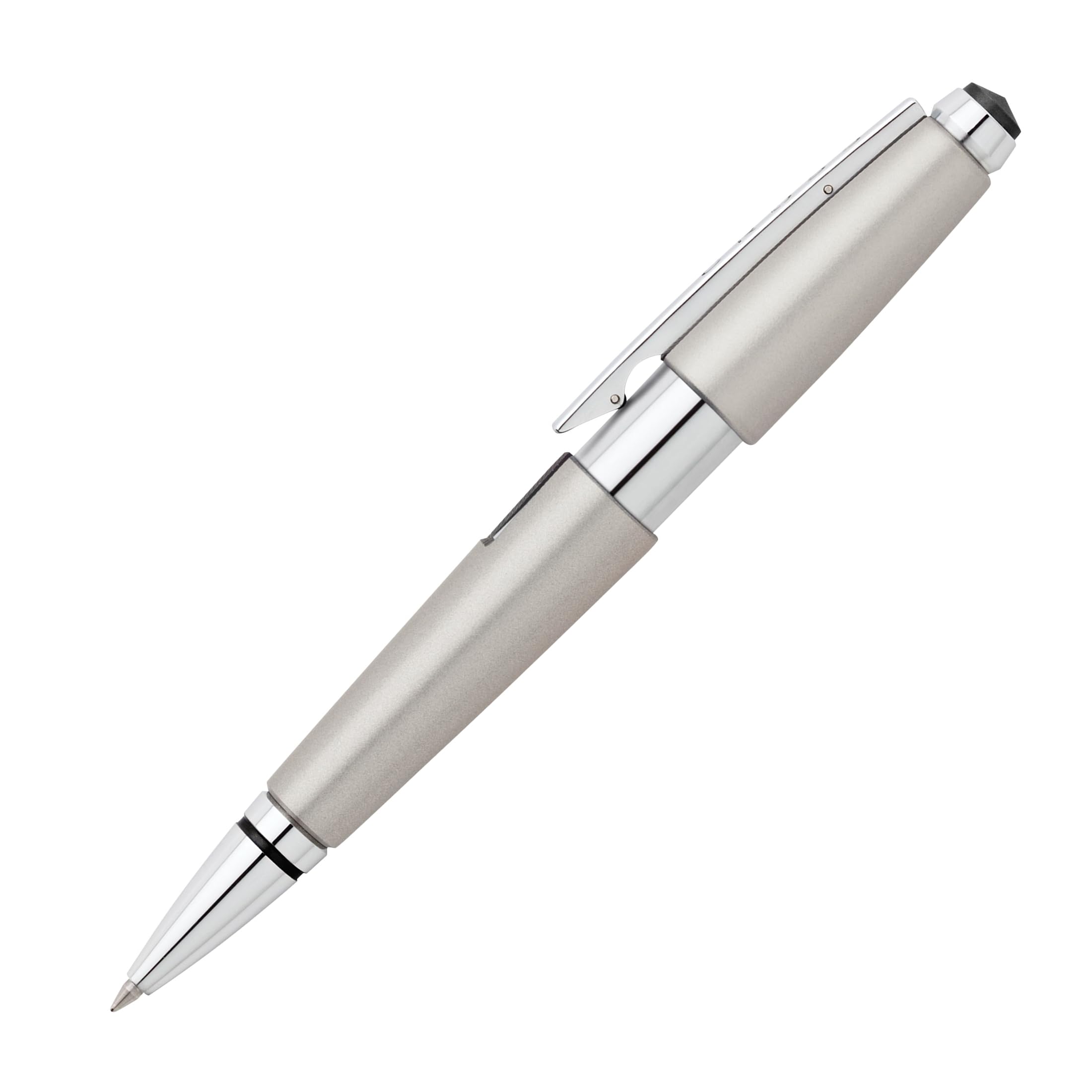
- A metal and resin body gives this pen a considered presence on a desk.
- The capless slide-open design makes it easy to get started writing.
- Its comfortable grip suits journaling and extended writing sessions.
Best Gift For: A journal writer or note-taker who appreciates a substantial-feeling desk pen.
Hydracy 2L Motivational Water Bottle
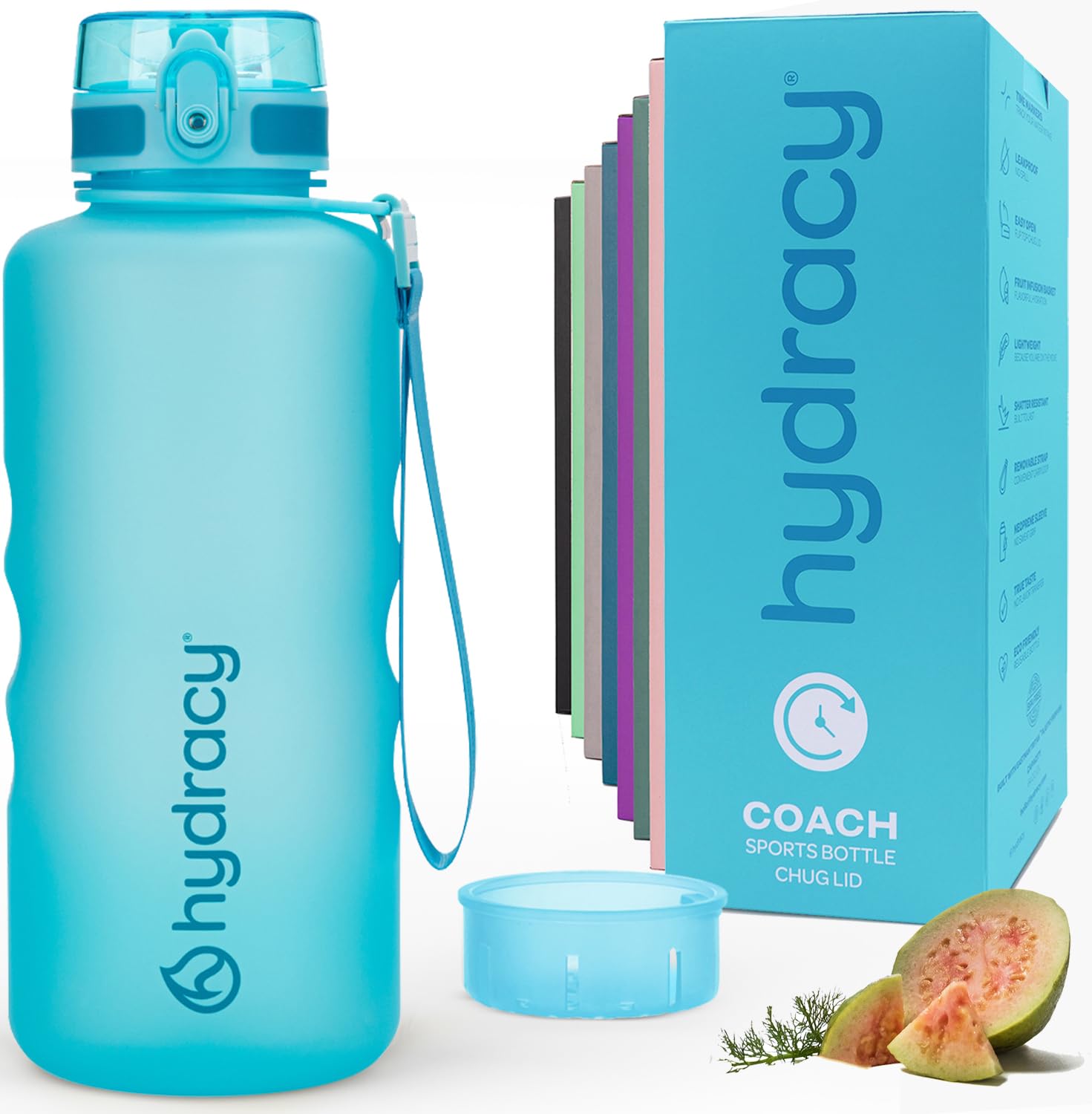
- A timeline offers a visual cue for when to take the next sip.
- The flip-top lid and carry strap make it practical to bring along.
- Made from reusable Tritan plastic that is 100% BPA-free.
Best Gift For: A student or teacher who wants a bottle with time markers for daily hydration.
Phomemo D30 Bluetooth Label Maker
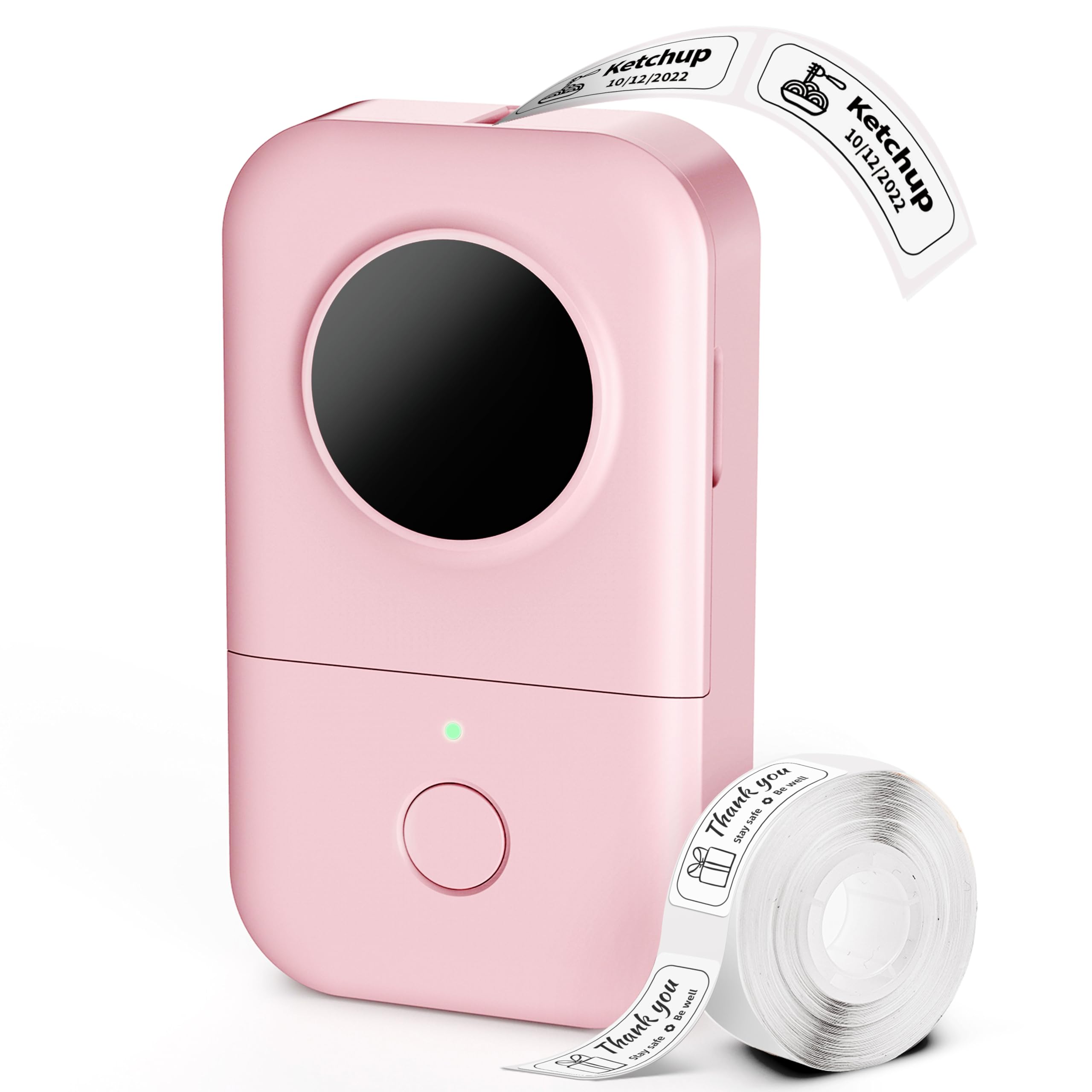
- The compact printer connects to mobile devices over Bluetooth for printing on the go.
- Its template library includes icons, borders, and templates for creating labels.
- Use it to make labels for classroom storage, bookcases, and supply cabinets.
Best Gift For: A teacher or home organizer who likes making custom labels for supplies and storage.
Clever Fox Planner PRO Light

- The planner provides monthly, weekly, and daily spaces for organizing goals and plans.
- Its undated format lets the owner begin whenever it suits them.
- A quick-start guide and planning stickers are included.
Best Gift For: A learner who wants a paper planner to map goals and weekly routines.
Dan&Darci Dig a Dozen Dino Egg Kit
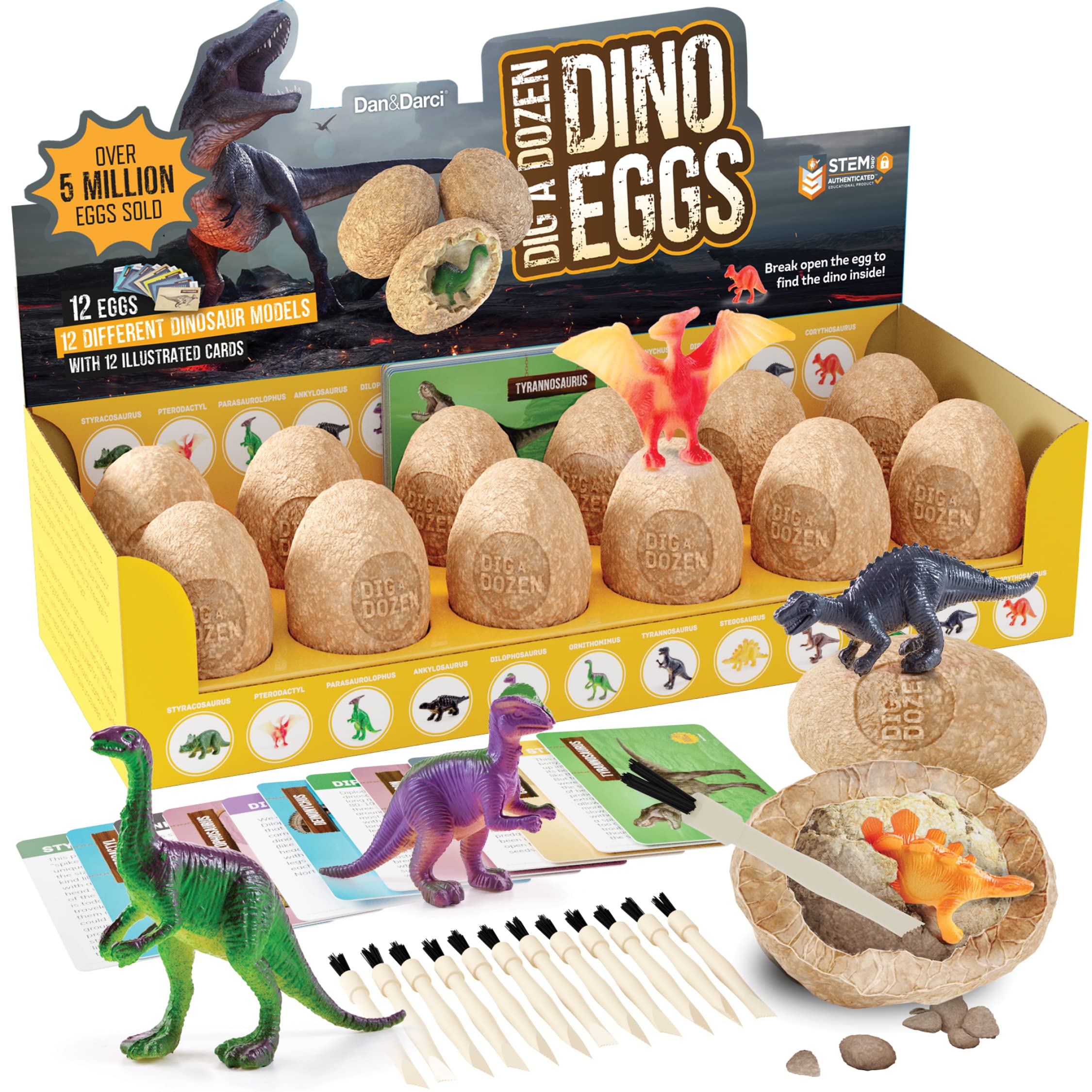
- The kit includes twelve eggs, each with a toy dinosaur to excavate.
- Each dinosaur has a learning card about its history and characteristics.
- Chisels, brushes, and instruction guides are included for the activity.
Best Gift For: A child interested in dinosaurs, hands-on discovery, and simple science activities.
Rich Dad CASHFLOW Educational Board Game
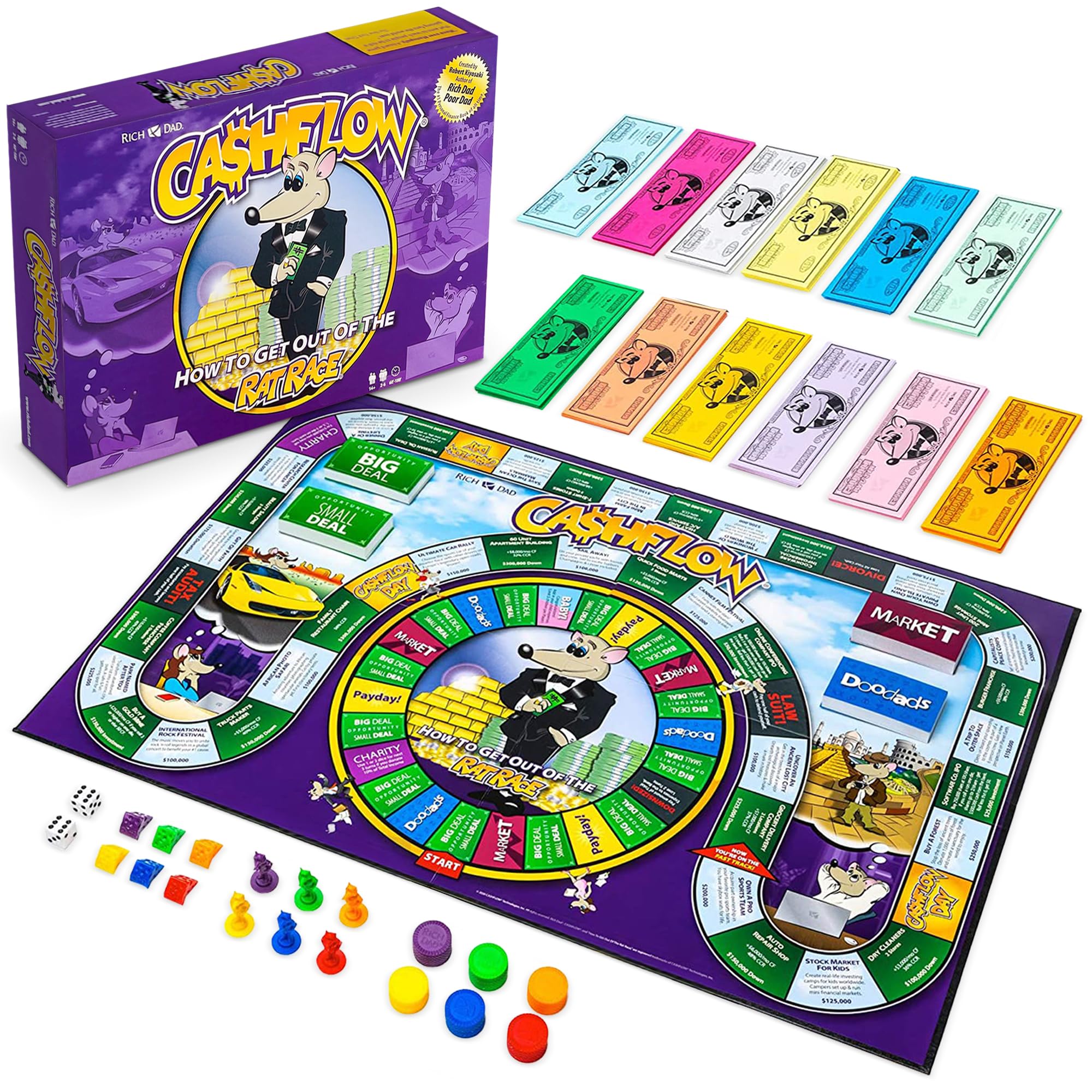
- Play centers on topics such as stocks and saving money.
- The game introduces investing, real estate, and business building as family topics.
- It is designed for up to six players and recommended for ages fourteen and up.
Best Gift For: A family or teen group interested in learning about investing through a shared game.
TOMLOV DM9B 7-Inch Digital Microscope
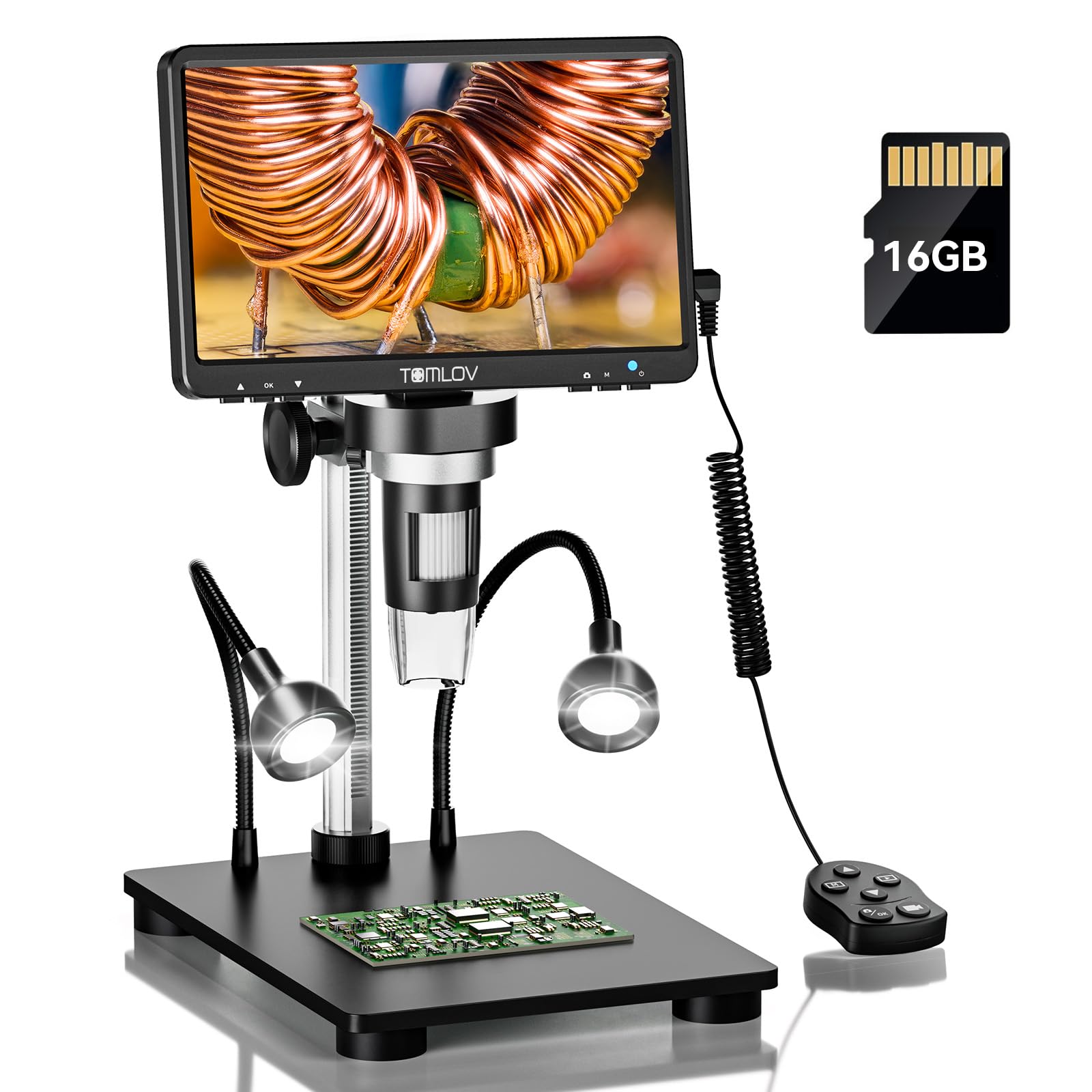
- A rotatable screen displays images from the focusing camera.
- The microscope offers a magnification range from 5X to 1200X.
- An included Micro SD card can store photos and videos.
Best Gift For: A student or hobbyist curious about examining coins, stamps, rocks, or small details.
SKYDUE Rotating Desk Organizer
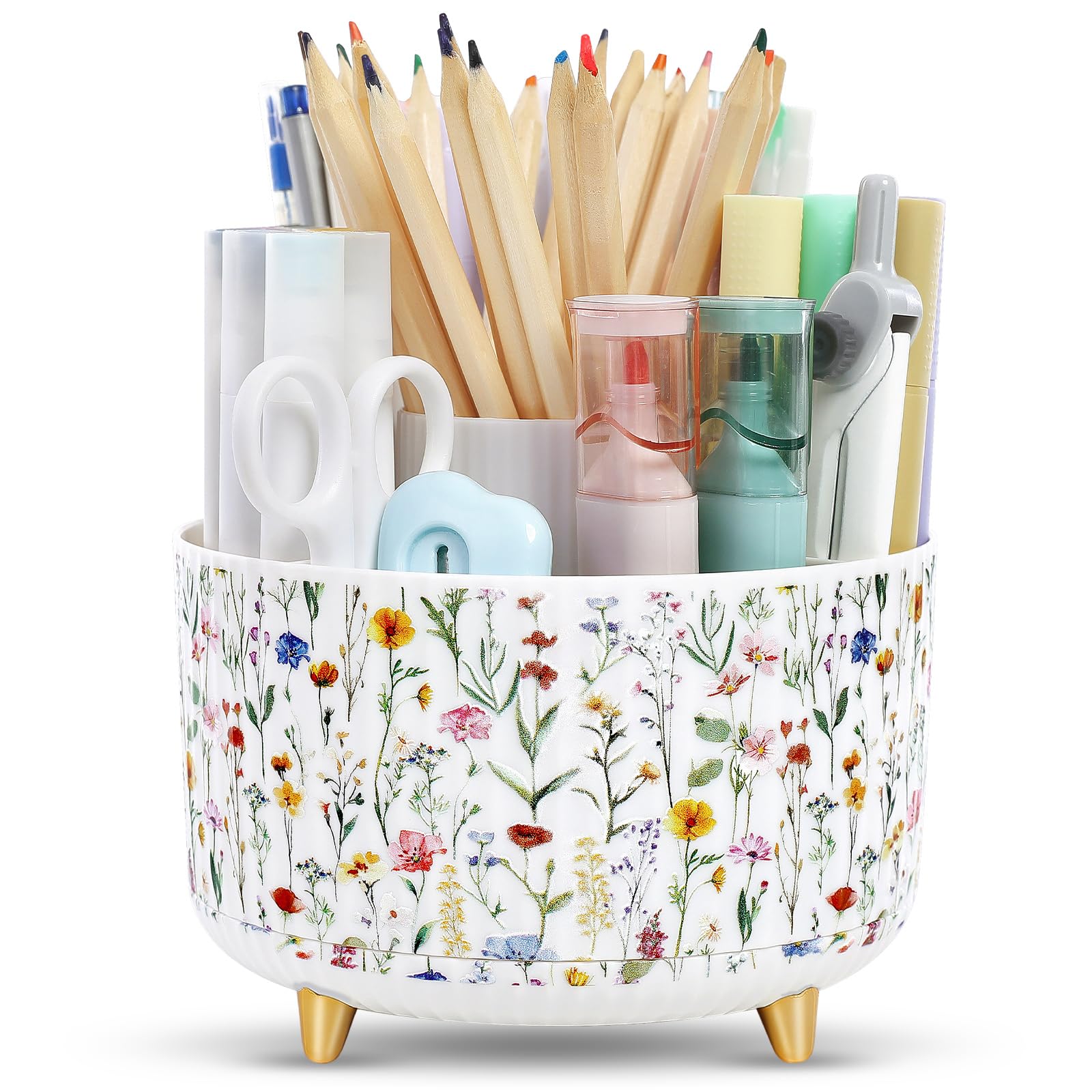
- Five compartments organize supplies while using limited desktop space.
- The holder rotates to bring writing tools within reach.
- It can hold everyday office supplies, art supplies, or markers.
Best Gift For: A student or teacher who wants writing tools and small supplies close at hand.
SmartMax My First Farm Tractor Magnetic Building Set
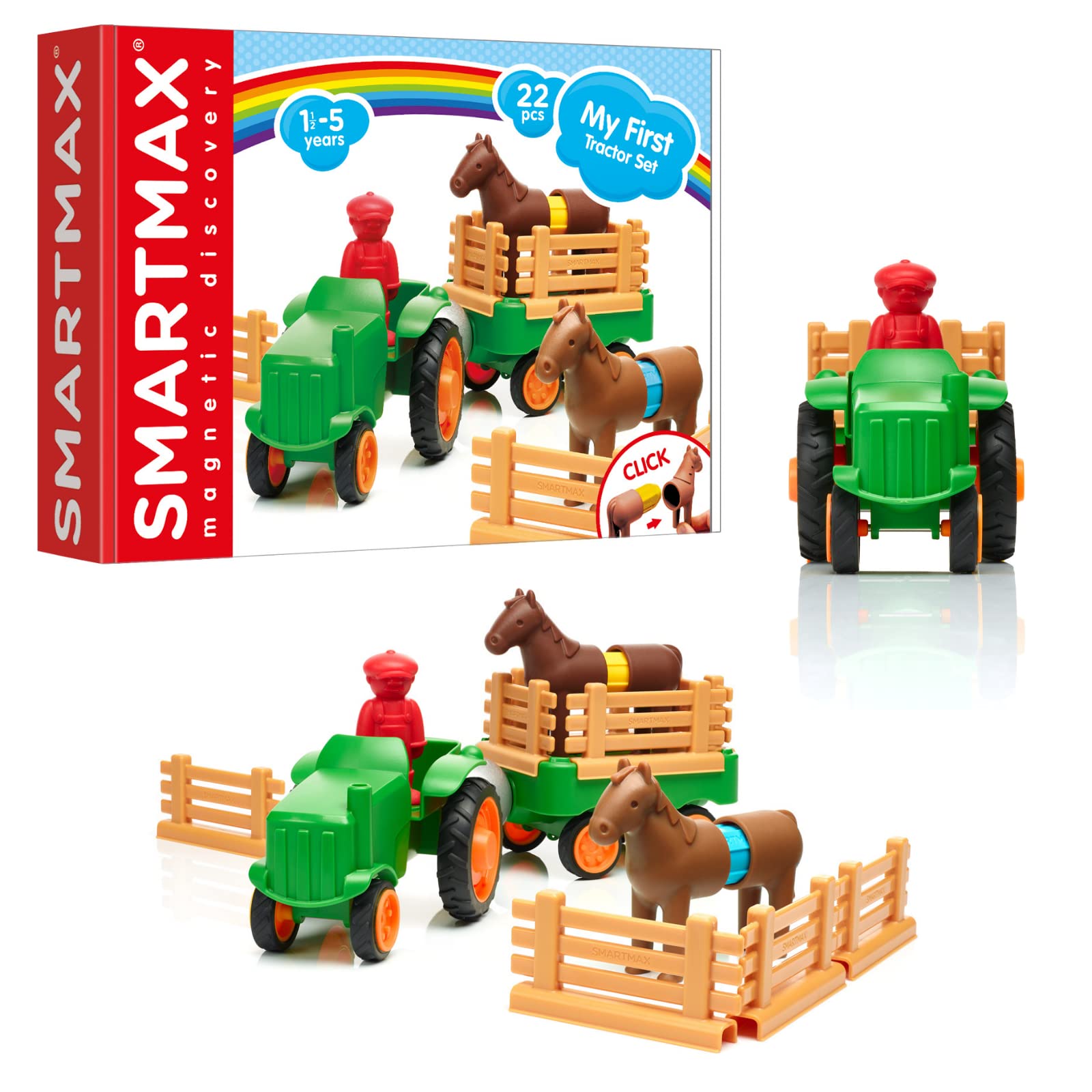
- Colorful magnetic pieces build into a farm tractor.
- The set includes eighteen pieces for little hands to manipulate.
- SmartMax sets can be combined to make farms, vehicles, or other constructions.
Best Gift For: A young child who enjoys building and exploring early STEM concepts with a caregiver.
Whitelines Graph Notebooks 3-Pack

- The three-pack contains graph notebooks with gray paper.
- The app removes the background so writing or drawings remain on a white background.
- The paper is tinted light gray.
Best Gift For: A student or teacher who regularly takes notes or sketches on graph paper.
Learning Resources 1-2-3 Build It Robot Factory

- Children can build their own imaginative robot creations.
- The activity supports early engineering and critical thinking practice.
- The pieces are designed for little hands to handle.
Best Gift For: A young child who enjoys creating robots and practicing early engineering skills.
Learning Resources Minute Math Electronic Flash Card

- The device provides practice with addition, subtraction, multiplication, and division.
- One-minute timed challenges make math practice feel like a game.
- Three skill levels cover learners from first grade through middle school.
Best Gift For: A child practicing math facts at home, school, or while waiting on the go.
1. Match gifts for people who love learning under 100 to how they learn
When choosing gifts for people who love learning under 100, start with the recipient’s favorite way to explore. A reader may value a quiet, hands-free reading companion, while a note-taker could use a planner, graph paper, or a pen that makes writing feel deliberate.
Think about when the gift will be used: during a commute, at a desk, at bedtime, or around the family table.
Age and attention span matter as much as subject. A young child may enjoy building or digging with an adult nearby, while an older teen or grown-up may prefer a game that opens conversation about money or a tool for examining small objects.
Choose an activity that fits the recipient’s current interests rather than an ambitious topic they have not shown curiosity about.
Consider whether the gift invites solo focus or shared discovery. A desk accessory can support a daily routine, while a project or game gives people a reason to sit down together.
If you are unsure, ask a family member or teacher what the learner already enjoys and what would complement their existing activities.
2. Balance budget and usefulness
A modest budget can still cover a wide range of thoughtful learning gifts. Small everyday tools, such as writing supplies or a desk organizer, can be useful when the recipient already has a favorite subject.
A more involved activity or piece of equipment may make sense when it aligns with a clear interest and is likely to see regular use.
For a shared gift, consider whether several people will participate and whether the item suits the group’s ages. Family activities can make the cost feel worthwhile through repeated use, while a practical study aid may be a better fit for someone who prefers independent work.
Compare current prices and check what is included before deciding.
It also helps to consider any companion purchases. Check whether the recipient already has compatible devices or supplies, and review the product details for anything needed to use the gift.
That small bit of planning can keep a promising idea from becoming an unexpected shopping list.
3. Make learning gifts personal
For gifts for people who love learning under 100, a personal touch can connect the item to what the recipient is curious about right now. Pair a notebook with a handwritten note suggesting a topic to explore, or wrap a hands-on activity with a short invitation to do it together.
A gift feels more considered when it reflects a real interest rather than a broad label like “student.”
Presentation can set the tone without adding much cost. Use a simple card to explain why you chose the gift, such as remembering a conversation about dinosaurs, collecting, or a new class.
For a child’s activity, you might offer to join the first session; for an adult’s study tool, a note can recognize the time they are making for their own learning.
Keep personalization flexible. A planner or desk tool can support many goals, so avoid filling it with assumptions about the recipient’s schedule or ambitions.
A warm message, a favorite color in the wrapping, or a quiet offer to help set things up lets them make the gift their own.
4. Choose for the learning moment
Think about where the gift will live and how it will fit into the recipient’s day. A compact tool may suit a backpack or shared classroom space, while a larger activity needs room to spread out.
For anything with a screen or app, confirm that the recipient’s device and preferred setup are compatible before you buy.
A useful learning gift should feel inviting rather than like extra homework. Choose playful practice for a child who responds to games, open-ended building for someone who likes experimenting, or a writing tool for a person who enjoys reflection.
If the recipient is a teacher, consider whether the item supports classroom organization or something they can enjoy away from work.
For children, involve the caregiver when age, supervision, or shared space could affect the experience. For adults, a little discretion helps: select a hobby-related tool that respects the way they already learn, and include a gift receipt when you are unsure about preferences.
5. Plan ahead for a smooth gift
Last-minute buying can still be thoughtful if you focus on a clear use and verify the basics. Check the current product details, dimensions, compatibility, included accessories, and delivery estimate before placing an order.
Those checks are especially helpful for electronic tools and gifts meant to work with items the recipient already owns.
If timing is uncertain, a printable note or small card can explain that a learning activity is on its way, paired with a simple related treat they can enjoy immediately. Avoid promising an arrival date until the order details confirm it.
A sincere message about what made you think of the learner can make the moment feel complete.
When you have more time, consider how the gift will be presented and stored. Keep small components together, preserve packaging if a recipient may need to exchange it, and include any setup information that comes with the item.
A little preparation makes it easier for the learner to begin exploring when they are ready.