For a budding chemist, a dinosaur-loving builder or a student who fills notebooks with observations, a science-themed gift can make curiosity part of the fun.
These six picks include experiments, magnetic construction, early math play and tools for looking closely—plus a few useful companions for recording ideas.
6 Gift Ideas for Curious Science Lovers
Light-Up Crystal Growing Kit for Kids

- The kit includes red, blue and clear crystal powders for a hands-on growing activity.
- An LED display lights up the finished crystals for showing them off.
- The illustrated booklet explains how crystals form.
Best Gift For: A young science fan who would enjoy growing and displaying colorful crystals.

TOMLOV DM9B 7-Inch Digital Microscope
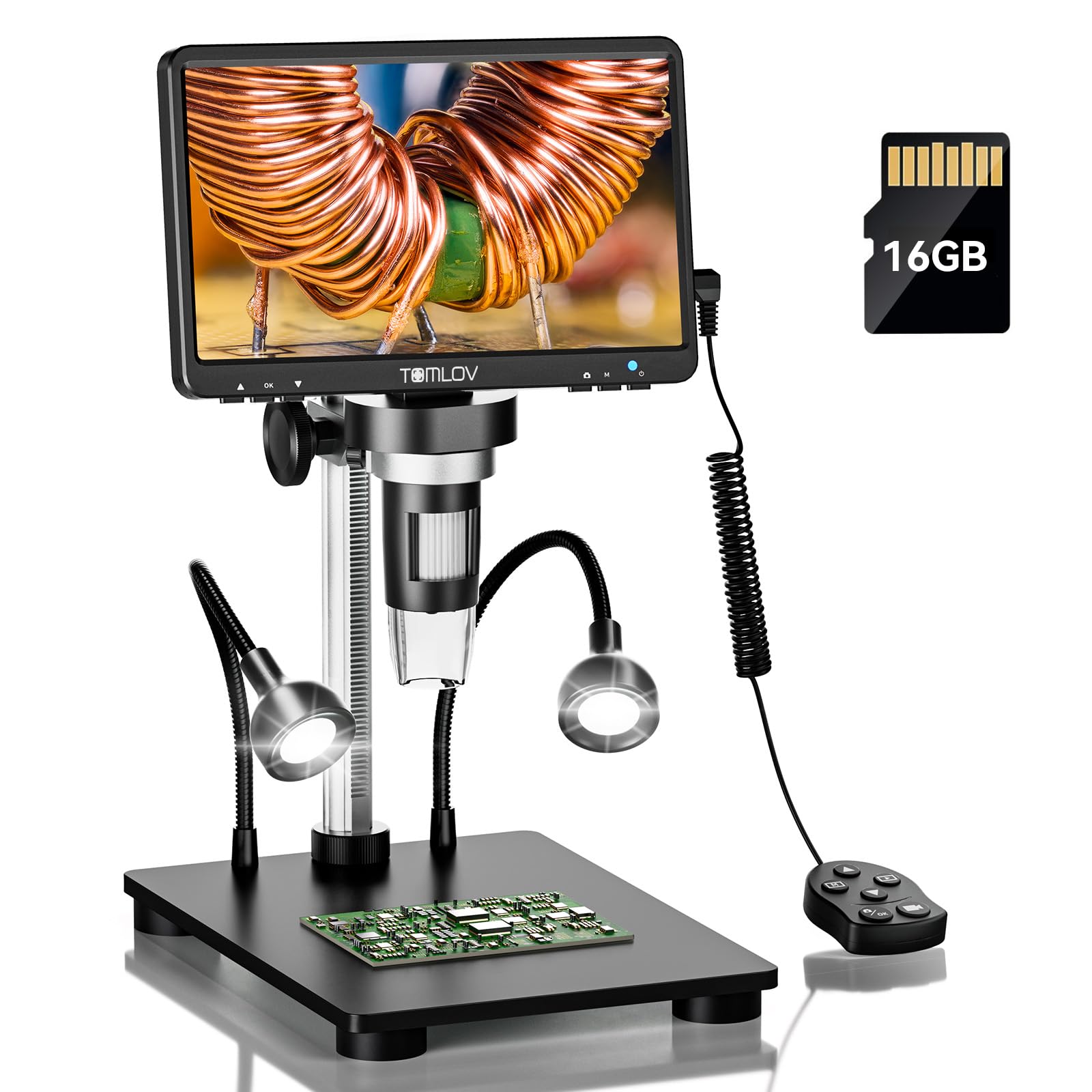
- The rotatable screen supports a more comfortable viewing position.
- Built-in lights illuminate the viewing area.
- It can connect to compatible Windows or macOS computers for a larger view.
Best Gift For: An adult or student interested in examining coins, stamps, rocks or small details.
SmartMax My First Dinosaurs Magnetic Building Set
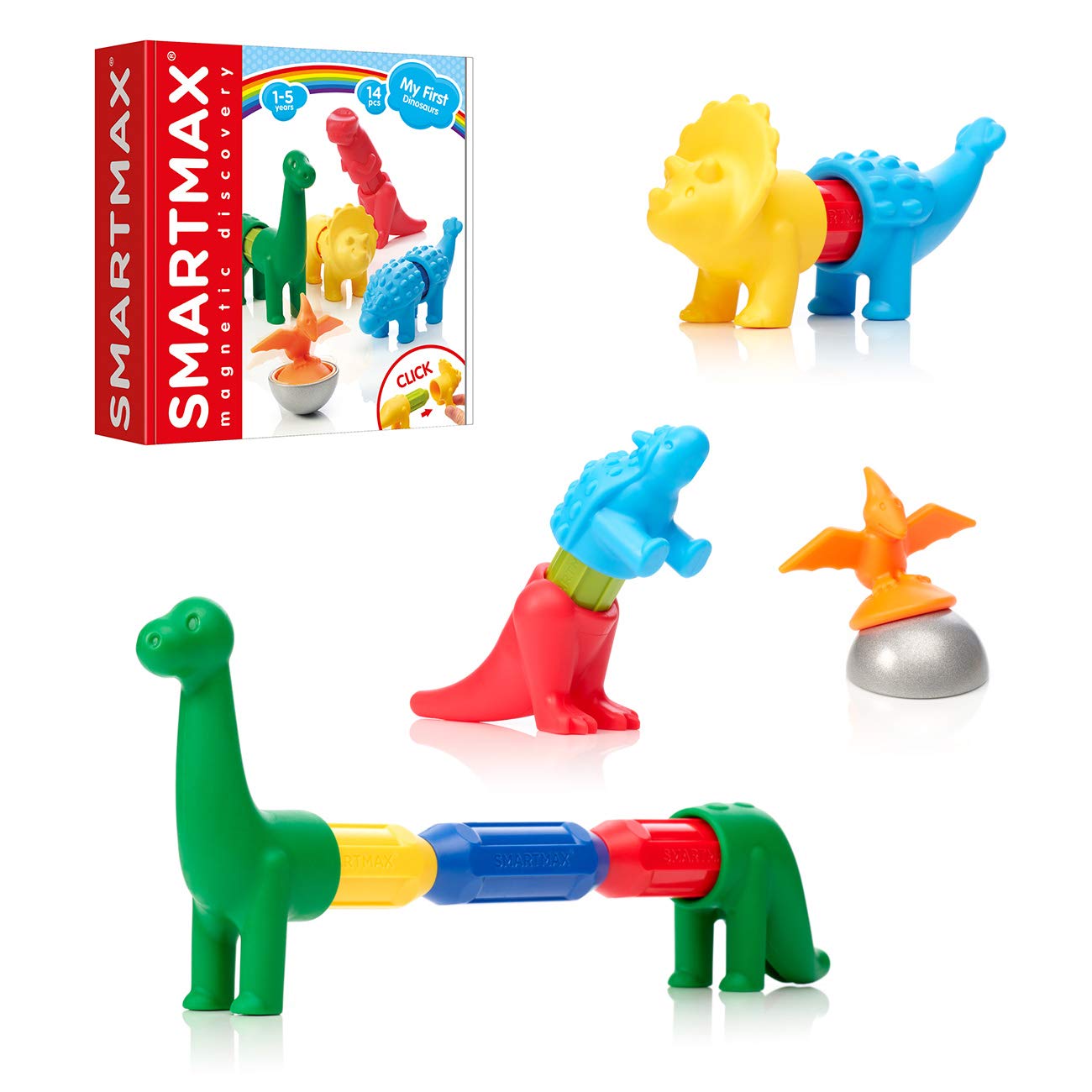
- Magnetic pieces let kids build or mix and match dinosaur creations.
- The set includes colorful bars and soft dinosaur pieces.
- SmartMax sets can be combined to expand building play.
Best Gift For: A young dinosaur fan ready to explore building and early magnetism through play.
burgkidz STEM Pipe Tube Building Set, 188 Pieces
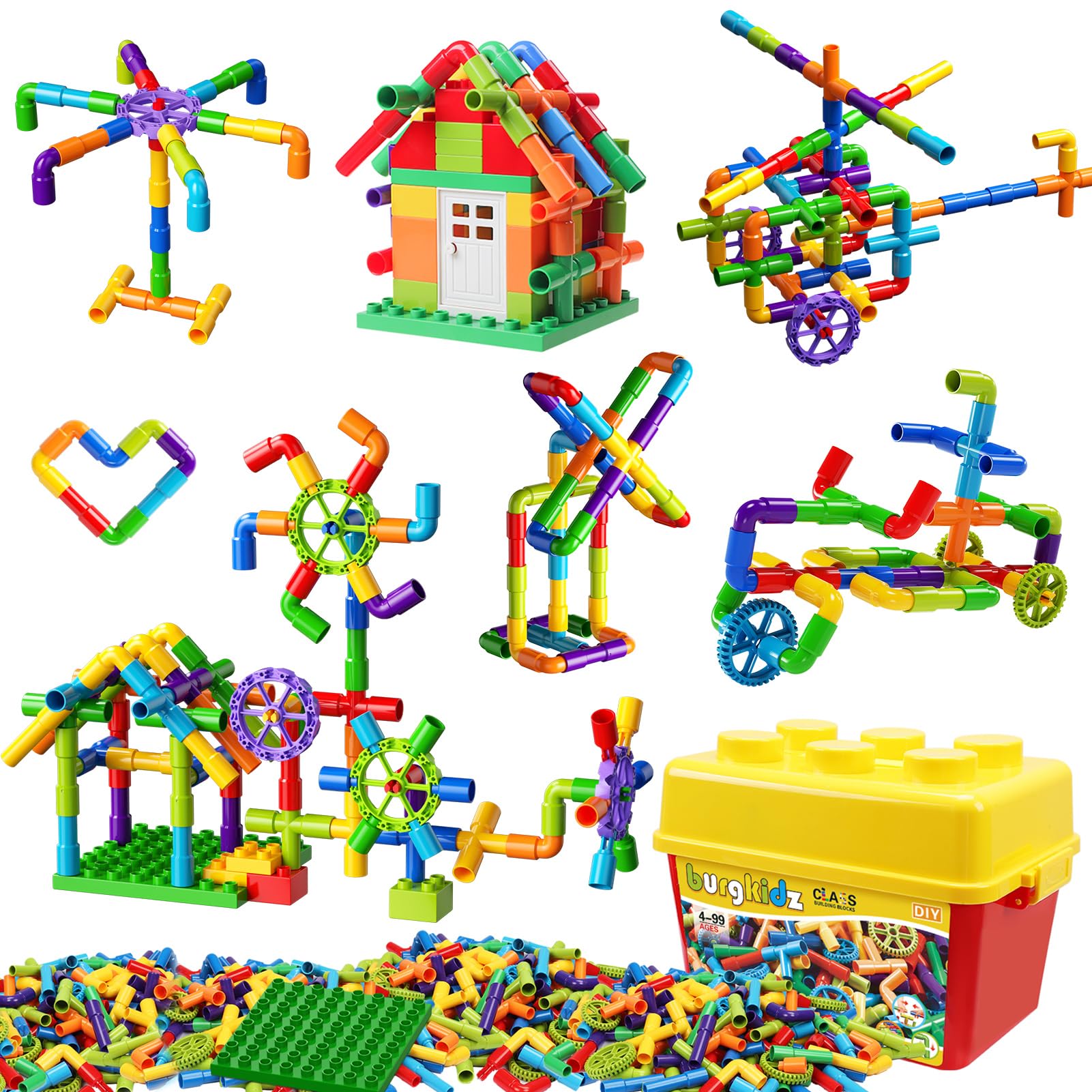
- The pieces can be used to build geometric shapes.
- The set can mix with other building bricks and baseplates.
- A handled storage box makes the set convenient to carry.
Best Gift For: A child who likes experimenting with shapes and building imaginative structures.
Learning Resources Sum Swamp Addition & Subtraction Game
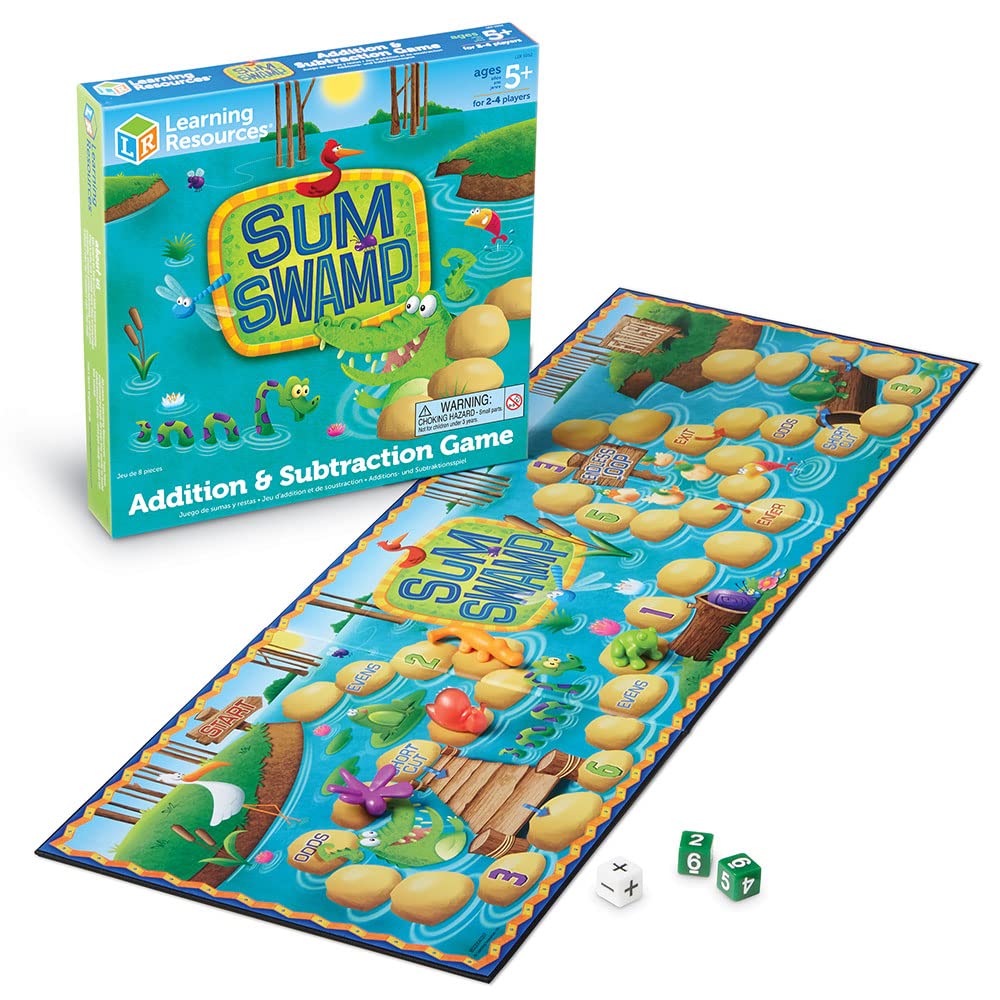
- Play introduces addition and subtraction practice.
- The game also introduces even and odd numbers.
- Its swamp theme and colorful creature pieces make the board game inviting for young learners.
Best Gift For: Kindergarten or first-grade learners who enjoy practicing math through games.
Whitelines Graph Notebooks, 3-Pack

- The set contains three spiral notebooks with graph paper.
- The paper has a light gray tint.
- The app can remove the page background from a scan, leaving the writing or drawing.
Best Gift For: A student, maker or classroom learner who likes drawing, graphing and keeping notes.
Choosing gifts for science lovers under 100
Start with the kind of curiosity the recipient already shows. A child who enjoys watching a process unfold may get more from an experiment than from a toy that asks for an instant result; a dinosaur fan may be drawn to building, while a student who notices tiny details may want a closer view.
Gifts for science lovers under 100 can span those different styles without requiring every present to be a formal lesson.
Think about how the gift will fit into an ordinary afternoon. A family activity works well when someone can join in, while a portable building set or notebook suits a child who likes to explore independently.
For younger learners, consider whether an adult will want to share the activity and help keep its pieces together.
Match the learning approach to the recipient’s age, interests and attention span. Some enjoy a clear goal, such as practicing a skill during a game; others prefer open-ended time to build, observe or record what they notice.
Choose the kind of discovery they are most likely to return to after the first unboxing.
Set a comfortable budget and plan the full gift
A thoughtful science gift can be a modest activity or a larger tool for ongoing exploration. Decide on a comfortable budget before browsing, then consider whether the main gift needs anything else to make the experience complete.
Gifts for science lovers under 100 may include both standalone play and supplies that work best as part of a broader study routine.
For an experiment or building activity, think about whether the recipient has a suitable place to spread out and store the pieces. For a digital tool, check compatibility with the computer or other equipment they already use.
These practical details matter more to the gift experience than choosing something simply because it looks advanced.
If several options suit the recipient, choose one that fits the way they’ll use it most often. A game can make a shared evening easy to plan; an observation tool might become a recurring hobby; a notebook is useful alongside many interests.
Check current prices and product details before buying, since prices and options can change.
Personalize the gift with a reason to explore
A small personal touch can connect a present to the recipient’s own questions. Pair a science activity with a handwritten note inviting them to notice a pattern, sketch an observation or invent a new construction.
When choosing gifts for science lovers under 100, a few words about why you thought of them can make a practical pick feel considered.
For a child, a simple invitation to explore together can be more useful than adding extra items they may not need. For an older student or hobbyist, a note that recognizes a specific interest—such as collecting, building or keeping careful notes—shows you paid attention without assuming they want more equipment.
Presentation can set the tone without making a gift feel like homework. Wrap a notebook with a card about recording discoveries, or put a building activity in a reusable bag for easy cleanup.
Keep the message warm and open-ended, leaving the recipient room to follow their curiosity in their own way.
Choose for shared play, solo discovery or school use
Consider when the recipient is most likely to use the gift. A game is naturally suited to a shared session, while a notebook can be picked up whenever an idea occurs.
A hands-on experiment may be most enjoyable when there is time to follow its steps and admire the result. Picking for the setting helps a present feel easy to start.
For a classroom or homeschool setting, look for gifts that can support a lesson or invite discussion, but avoid assuming a teacher needs another teaching tool. A family may enjoy an activity that gets children talking; a young learner may prefer something they can handle themselves.
Check age guidance and the recipient’s preferences before deciding.
When buying for someone whose interests you only partly know, choose a flexible option that supports more than one kind of curiosity. Building, drawing, observing and playing with numbers all leave room for personal discoveries.
A brief conversation with a parent or caregiver can also clarify what the child already owns and enjoys.
Last-minute buying advice for thoughtful science gifts
If time is short, focus on a gift that is easy to understand and suits a known interest. Before ordering, verify the exact product name and version, and check dimensions, compatibility and any included components against the recipient’s needs.
Avoid relying on assumptions about what will fit their setup or what will arrive by a particular date.
Check the current delivery estimate for the recipient’s address and leave room for delays, especially if the gift is tied to a birthday or classroom event. If timing is uncertain, a printed note explaining the gift can make a thoughtful placeholder, while the actual present follows.
Confirm the retailer’s current options before choosing that approach.
A useful last-minute choice is one you can describe clearly: why it caught your eye, what kind of curiosity it might encourage and how the recipient could begin. Keep the card personal and brief.
That small gesture helps a science-themed gift feel like it was chosen for the person, even when the shopping window was short.