For young experimenters and curious learners, a thoughtful science gift can turn an afternoon into a chance to explore, build, or solve a problem.
These six ideas range from crystal growing and microscopes to STEM building toys, a math game, and a compact printer for study notes.
6 Gift Ideas for Curious Science Lovers
Light-Up Crystal Growing Kit
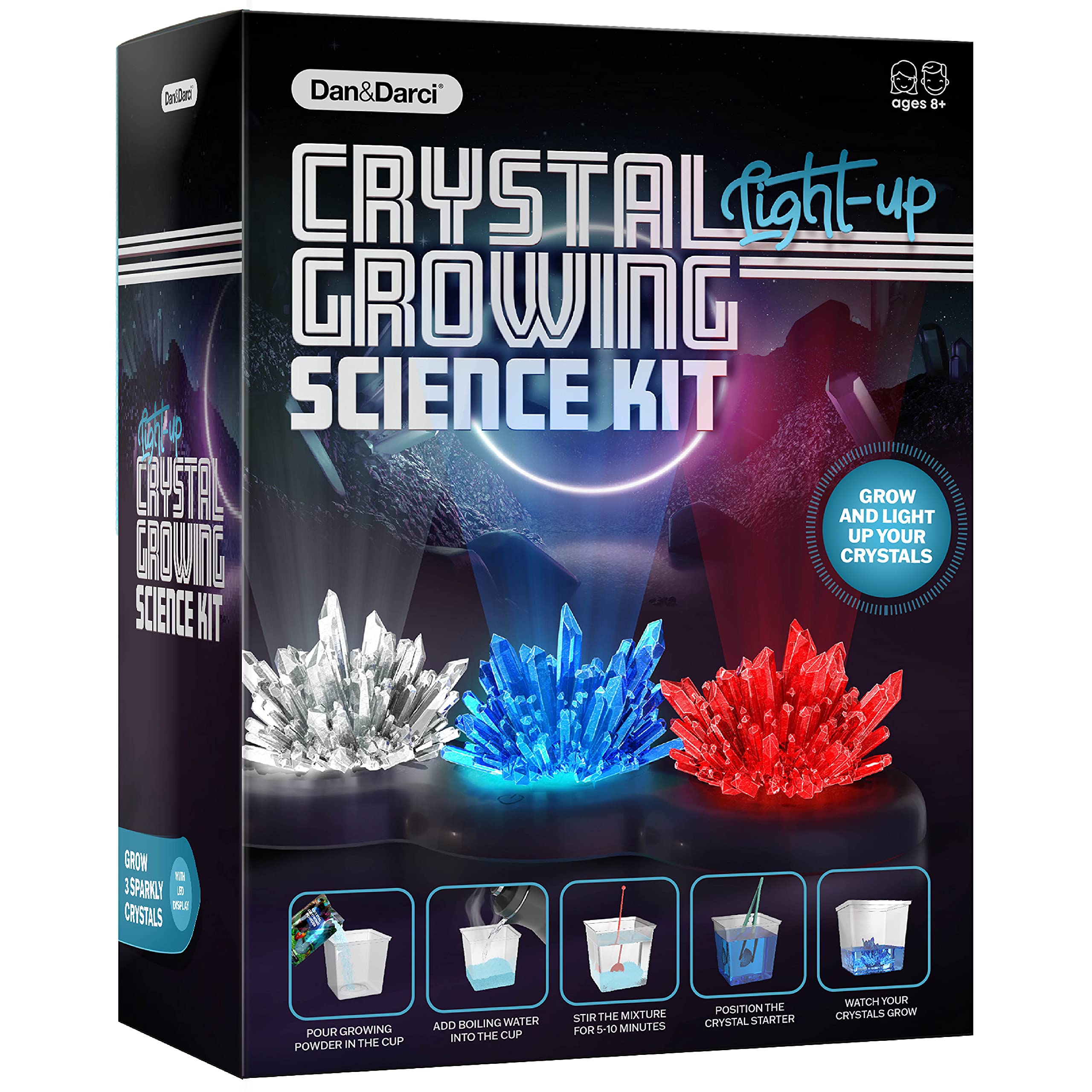
- Grow red, blue, and clear crystals, then display them on the included light-up stand.
- The kit includes three growing cups and crystal powder bags in three colors.
- A booklet explains how crystals form while guiding the activity.
Best Gift For: A young science fan who would enjoy growing and displaying crystals.

GeoSafari My First Microscope
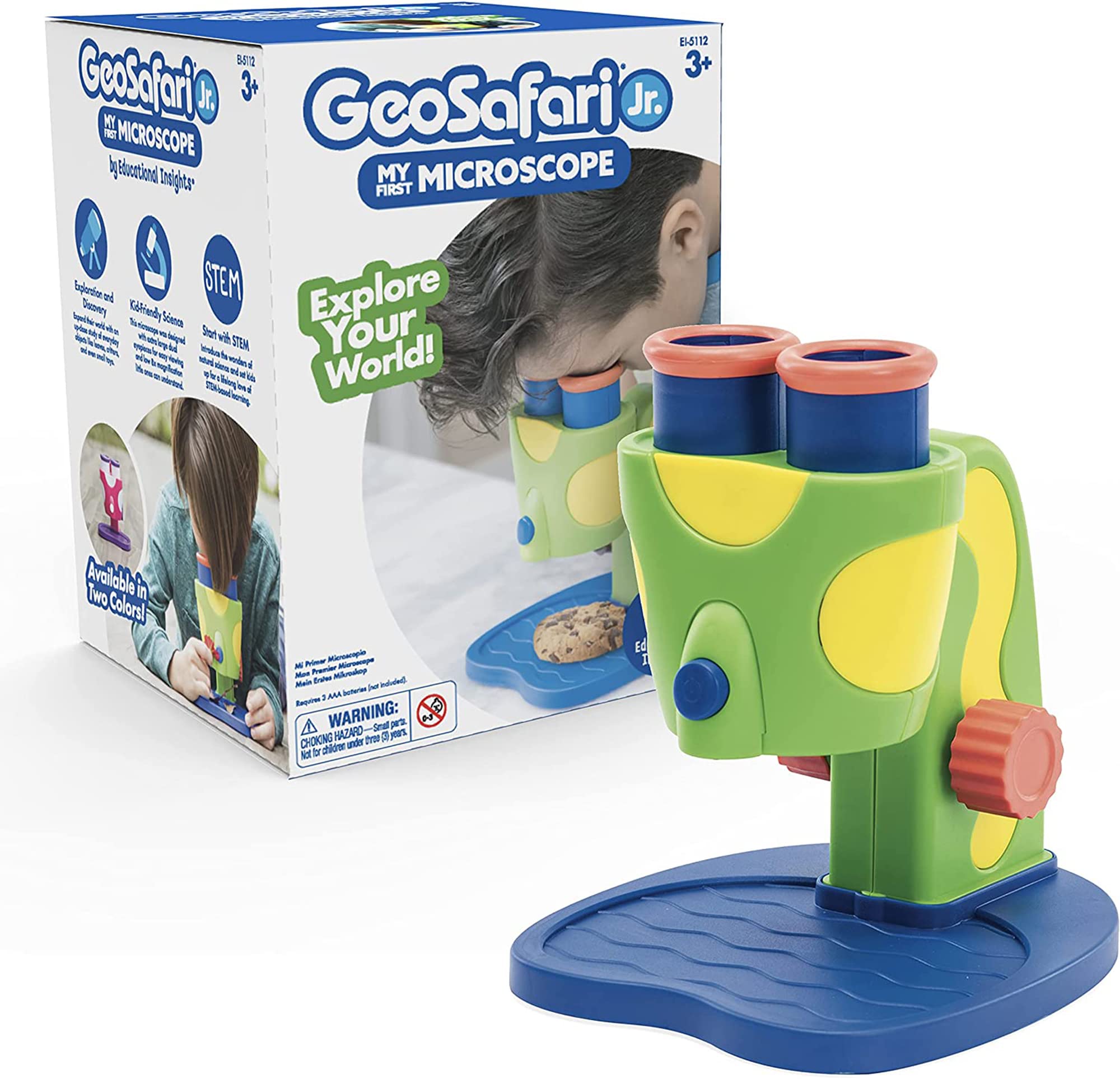
- Two extra-large eyepieces make it easy to look through without closing one eye.
- An overhead LED illuminates samples on the tray.
- Prepared slides come with storage; three AAA batteries are required and not included.
Best Gift For: A young learner ready to explore prepared samples and look more closely at the world.
SmartMax My First Dinosaurs Magnetic Building Set
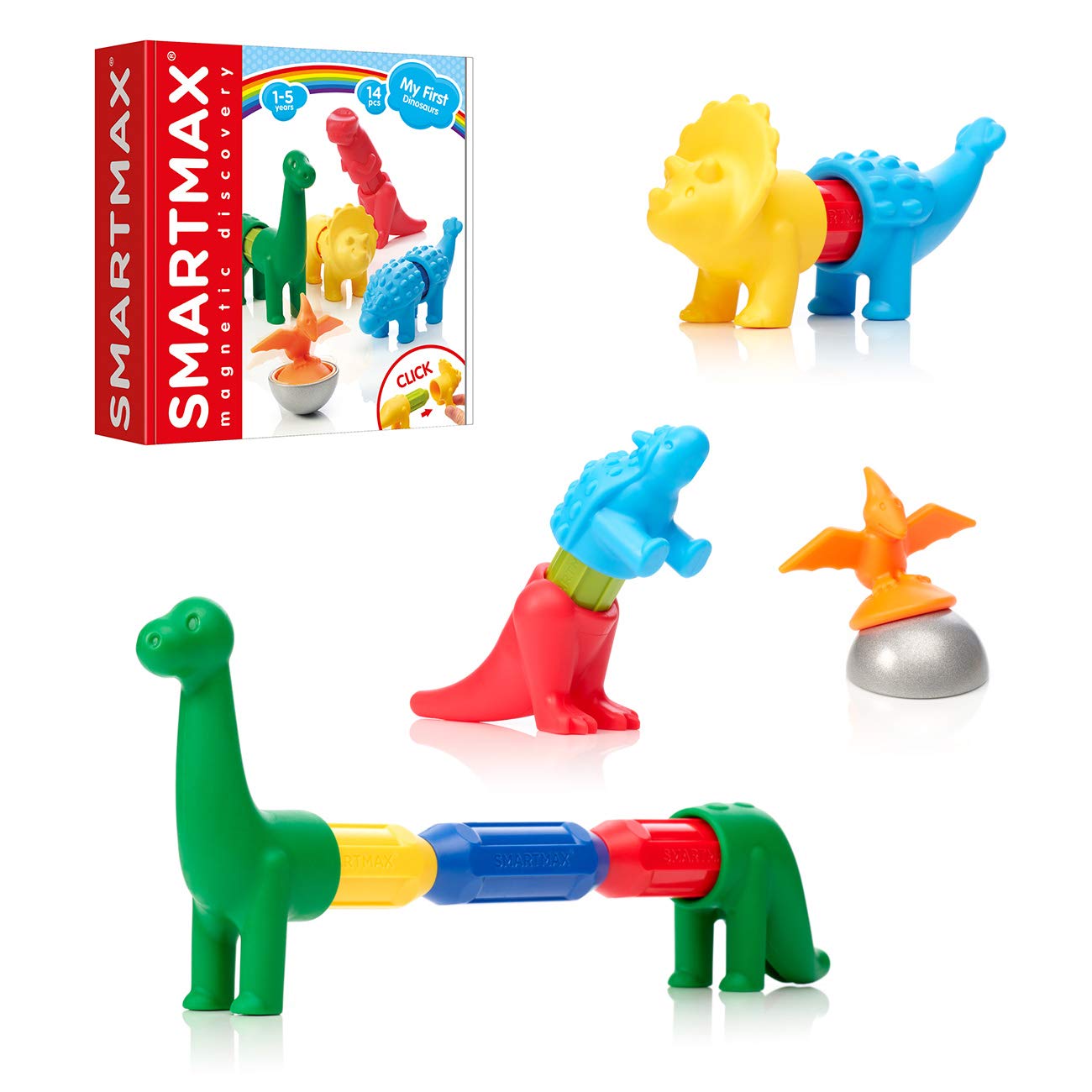
- Build dinosaur figures or mix and match pieces for imaginative creations.
- The set includes colorful magnetic bars and soft dinosaur pieces.
- The pieces introduce early magnetism, problem-solving, and engineering skills.
Best Gift For: A young dinosaur enthusiast who enjoys hands-on building and early STEM play.
Learning Resources 1-2-3 Build It Robot Factory
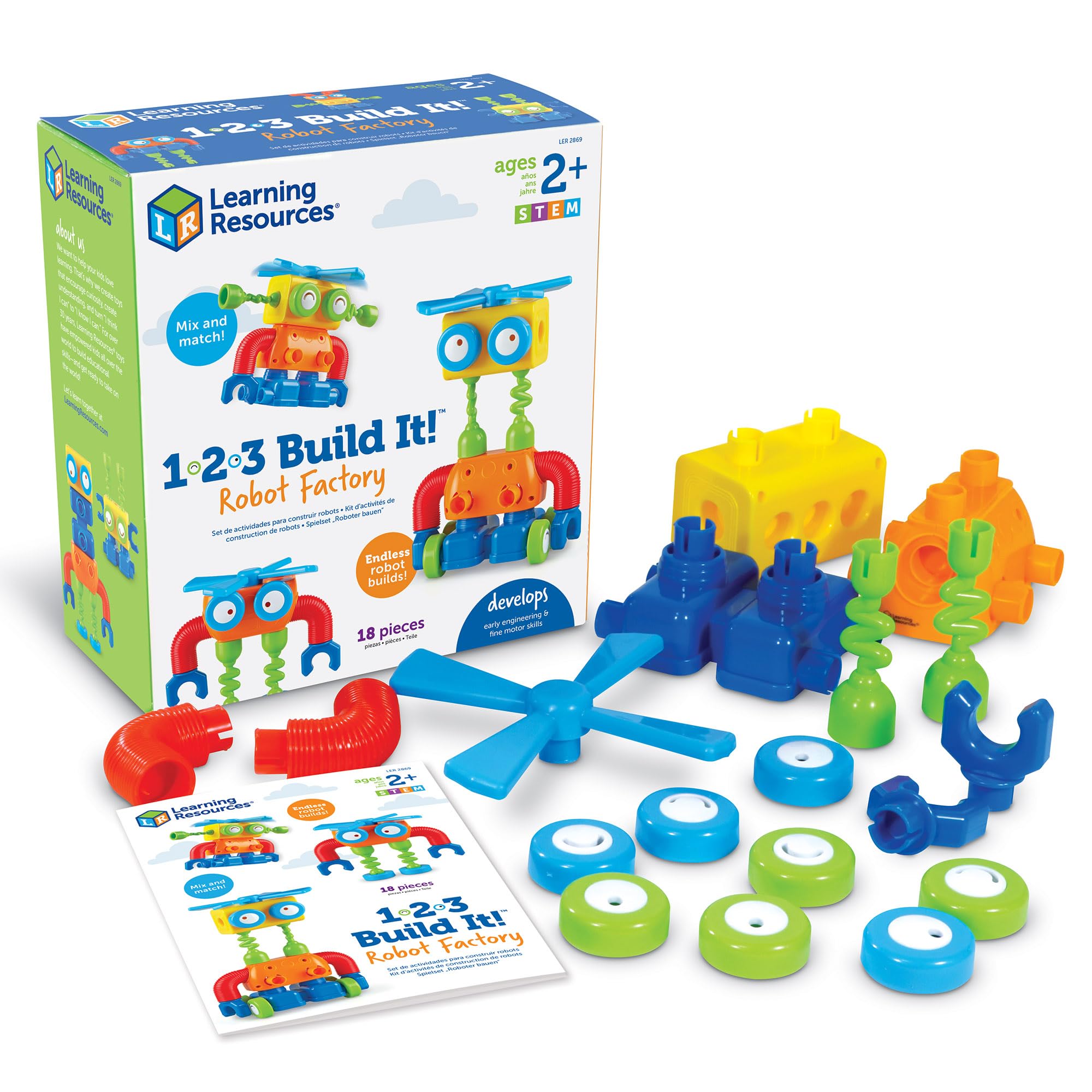
- Build-it-yourself pieces let kids create their own robot designs.
- Building play supports early engineering and critical thinking skills.
- The pieces work with other 1-2-3 Build It! sets.
Best Gift For: A young builder who likes making imaginative robot creations.
Sum Swamp Addition and Subtraction Game
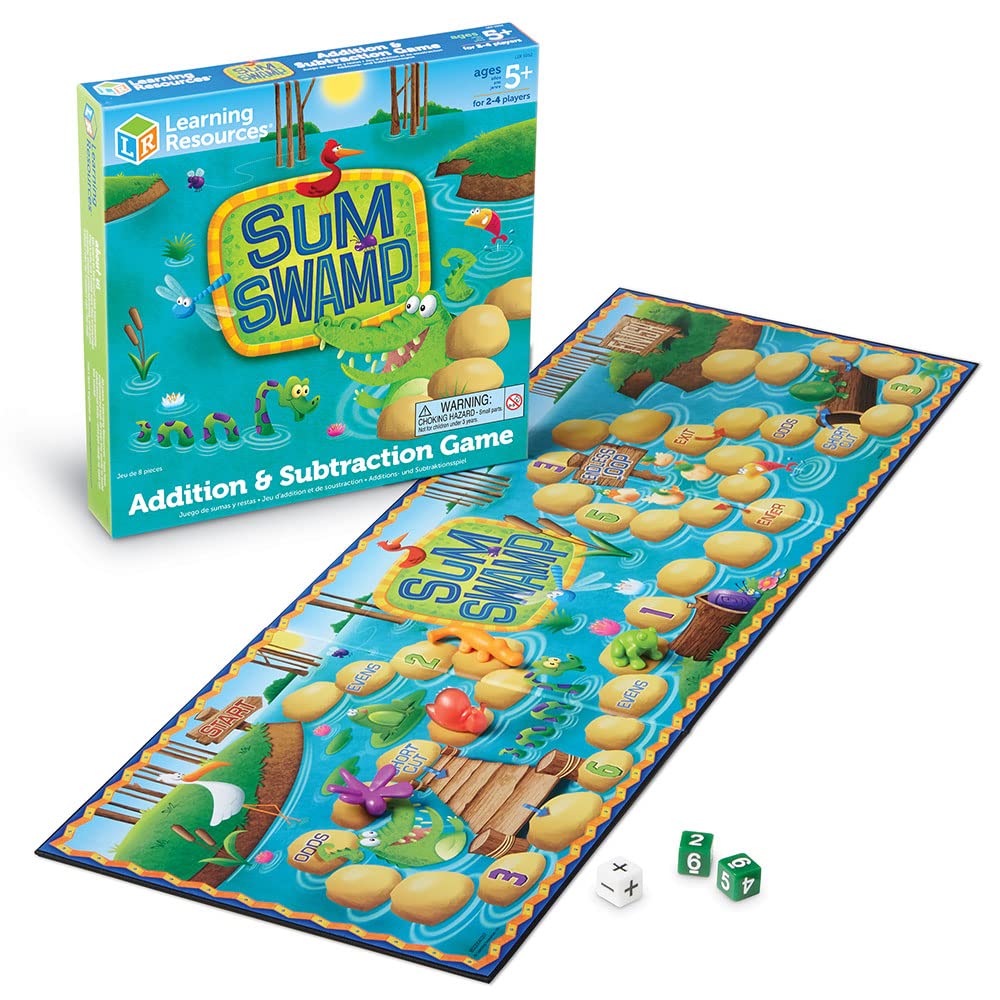
- Play centers on practicing addition and subtraction.
- The game introduces even and odd numbers alongside other math concepts.
- Quick sessions offer math practice as part of family game time.
Best Gift For: A child practicing early math skills with family or classmates.
Memoking T02 Portable Sticker Printer, 6 Rolls
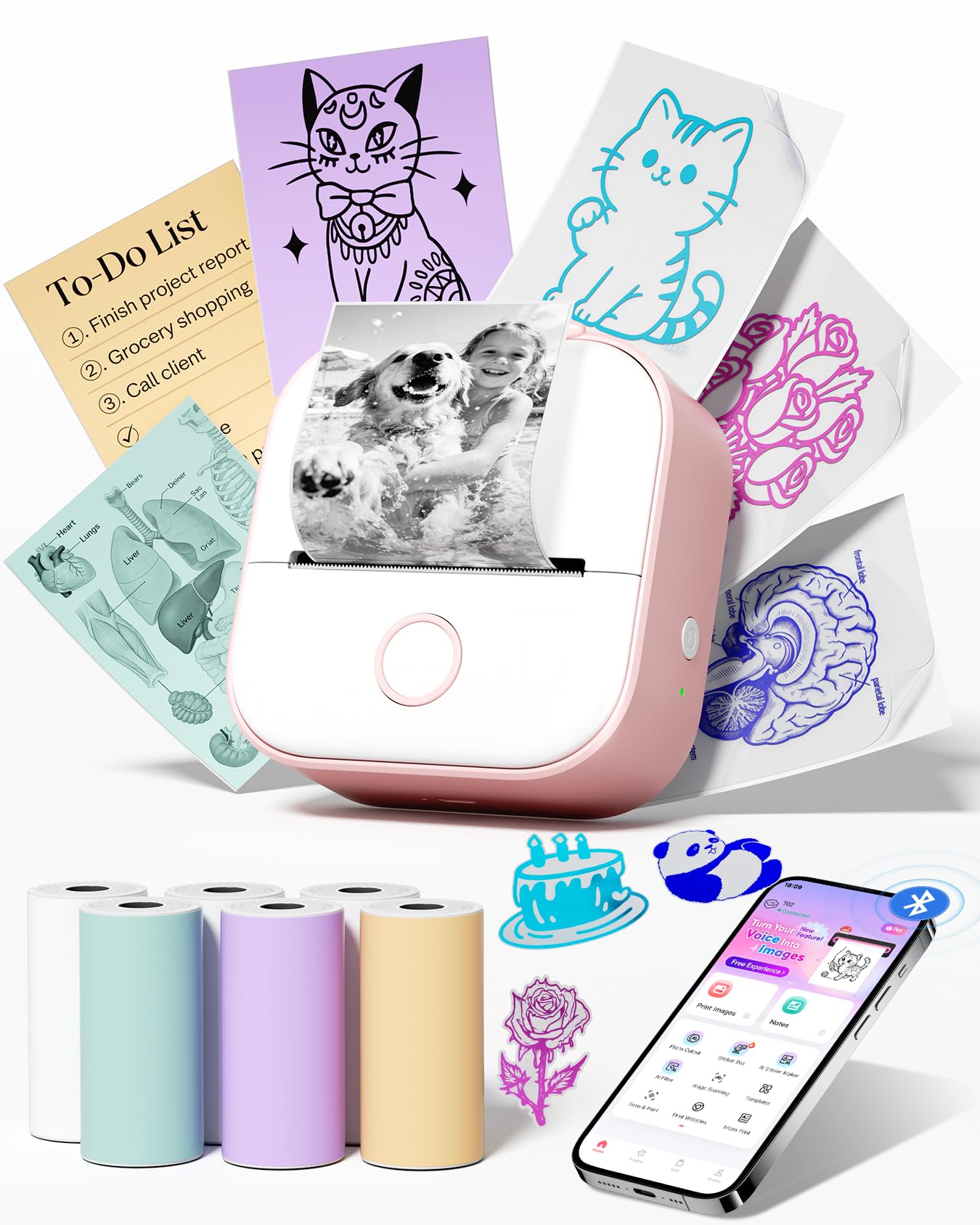
- Print study notes and diagrams for subjects including chemistry and physics.
- Connect through the Phomemo app using Bluetooth on iOS or Android devices.
- The printer includes six rolls of thermal paper.
Best Gift For: A student who likes organizing study notes and science diagrams.
Choosing gifts for science lovers under 50
Start with the recipient’s age, patience, and favorite way to learn. A child who likes watching changes unfold may enjoy an experiment kit, while a hands-on builder may prefer magnetic pieces or a robot project.
For someone who learns by looking closely, a microscope offers another way to explore.
Think about how the gift will fit into an ordinary day. A game can invite siblings or family into the activity, while a compact printer can help a student organize study materials.
If the recipient is an educator, a classroom-friendly activity may be more useful than a project intended for one person.
Check the age guidance, setup needs, and what comes in the box before choosing. Some activities need adult involvement, and the microscope needs batteries that are not included.
These practical details help you match the gift to the recipient’s space, schedule, and readiness.
Balancing budget and usefulness
For gifts for science lovers under 50, focus on how often the recipient might use the gift and whether it supports a shared interest. A modest game or building set can be a satisfying choice when it suits the child’s age and play style; a more involved kit may be right for someone who enjoys following a project through.
Consider any extra materials or setup before you decide. Check the current product details for included pieces, battery needs, paper supplies, and device compatibility.
A gift that fits the recipient’s existing interests and equipment can be more practical than one with a longer feature list.
When comparing options, set a comfortable spending limit and check actual prices before buying. Leave room in your decision for supplies or accessories the recipient may need, and avoid assuming that a listed kit includes anything beyond its stated contents.
Make the science gift feel personal
Personalization can come from matching the activity to a real curiosity: crystals, dinosaurs, robots, mathematics, or science class. A note can mention why you thought of that interest, or invite the recipient to show you what they discover.
This makes gifts for science lovers under 50 feel intentional without requiring elaborate wrapping or add-ons.
For a younger child, an adult can join the first session, help read instructions, and make space for the activity. For a student, pair the gift with a fresh notebook or a handwritten message about a subject they enjoy.
Keep extras simple and check that any materials or accessories suit the recipient.
Presentation can set up the fun. Wrap a kit with a small card suggesting a first experiment or building challenge, or give a game with an invitation to play together.
For an item with setup requirements, mention them kindly so the recipient can get started without surprises.
Last-minute buying advice
A last-minute choice still benefits from a quick fit check. Confirm the intended age range, included components, battery requirements, and device compatibility on the current product page.
For gifts for science lovers under 50, these checks can prevent a study aid or activity from arriving without something essential.
Review the delivery estimate for your address and selected option before placing an order. Timing can vary, so avoid promising a specific arrival date unless checkout confirms it.
If delivery timing is uncertain, a printed note or card explaining the planned gift can keep the occasion thoughtful.
If the recipient’s preferences are unclear, choose an activity with a straightforward connection to an interest they already show, such as building, observing, or playing number games. Keep a gift receipt or return information where available, and include a short personal message so the choice feels considered.
A simple way to make the choice
Picture the recipient opening the gift and deciding what to do with it next. Would they start an experiment, assemble a creation, inspect a sample, solve a math challenge, or prepare study materials?
That imagined first use is a practical way to narrow the choices.
If the gift is for a classroom or family, consider whether it invites other people to participate and whether there is space to use it. For an individual learner, think about whether the activity suits their attention span and current interests.
A close match often matters more than a gift that tries to cover every science topic.
Before checkout, revisit the current price, contents, dimensions where relevant, compatibility, and delivery estimate. Then add a brief note that connects the gift to the recipient’s curiosity.
A few minutes of thoughtful checking can make a useful science gift feel personal and ready for its next discovery.